
Octopus Energy Tracker Tariff Review 2026
The Octopus Tracker is a variable energy tariff provided by Octopus Energy, the UK's largest energy supplier.
Contents
- 1.What is the Octopus Energy Tracker tariff?
- 2.Should you switch to the Octopus Tracker?
- 3.How the daily rates and standing charges work
- 4.Current prices and how they compare to the price cap
- 5.The main benefits of the Tracker tariff
- 6.The risks and downsides you need to consider
- 7.Octopus Tracker vs Octopus Agile
- 8.How to sign up and what to expect
- 9.Final verdict
- 10.FAQs
What is the Octopus Energy Tracker tariff?
The Octopus Tracker is a variable energy tariff provided by Octopus Energy, the UK's largest energy supplier. Instead of charging a set price for your energy over a year, or following the quarterly changes of the standard variable rate, the Tracker tariff changes its unit rates every single day. It does this by tracking the wholesale cost of energy—the price that suppliers pay when they buy gas and electricity on the open market.
For most traditional tariffs, energy suppliers buy their energy months in advance. They estimate the future costs and average them out to create a stable, predictable unit rate for their customers. The Octopus Tracker works differently. It uses a published formula linked to daily wholesale market prices, alongside other supply costs, to set your unit rate. If there is a surplus of wind power on a mild Tuesday, the wholesale price drops, and your unit rate for that day will be cheaper. If there is a sudden cold snap and high demand for gas, the wholesale price rises, and your daily rate goes up.
This setup requires you to take on some of the risk that the supplier usually handles. By accepting prices that move up and down every 24 hours, you have the chance to pay significantly less than the standard national average during mild weather or quiet periods. However, you also take on the risk of paying much more if the energy market experiences a sudden shock. It is a tariff designed for households who want to pay the true cost of their energy and are comfortable checking an app to see what their daily rate will be.
Should you switch to the Octopus Tracker?
The Octopus Tracker is an excellent choice if you want to pay cheaper wholesale rates and can absorb occasional price spikes, but it is not suitable if you need absolute certainty over your winter heating bills.
How the daily rates and standing charges work
The mechanics of the Octopus Tracker are straightforward, but they differ significantly from a standard energy plan. Every day at midnight, your unit rate for both electricity and gas updates. This new rate stays completely flat for the full 24-hour period. Unlike time-of-use tariffs that charge you more during the evening peak and less in the middle of the night, the Tracker gives you one single price for the whole day. You can check the next day's rate in the Octopus Energy app the evening before, allowing you to decide if it is a good day to run heavy appliances like a tumble dryer or a dishwasher.
While your unit rates change daily, your standing charges do not. A standing charge is the fixed daily amount you pay to stay connected to the energy network, covering the costs of maintaining wires, pipes, and government environmental schemes. When you sign up for the Octopus Tracker, you agree to a 12-month term. Your standing charges are fixed for this entire 12-month period, providing at least one element of certainty on your bill.
However, the exact standing charge you pay depends on where you live. The UK is divided into 14 Distribution Network Operator regions, and the cost of maintaining the local grid varies across them. Octopus updates the underlying formula for the Tracker tariff—including these standing charges—every three months. They release these as new versions, such as "Tracker April 2026 v1" or "Tracker July 2026". While you are protected from these quarterly changes during your 12-month term, Octopus will email you at the end of the term with the option to renew onto the latest formula.
Because the daily unit rates fluctuate, you do not pay a different amount from your bank account every day. You still pay via a standard monthly Direct Debit. Octopus estimates your total annual usage, calculates an average monthly cost, and takes that flat amount each month. During the cheaper summer months, your account balance will build up a healthy chunk of credit. You then draw down on this credit during the winter when heating demand is high and the daily Tracker rates are typically more expensive.
Current prices and how they compare to the price cap
To understand if the Tracker is good value, you have to compare its recent daily averages against the standard tariffs available on the market. As of July 2026, the Ofgem price cap for a typical dual-fuel household paying by Direct Debit is set at £1,663 a year. Under this cap, the average unit rate is 26.11p per kWh for electricity and 7.33p per kWh for gas.
By comparison, the daily wholesale rates on the Octopus Tracker have been sitting noticeably lower. In July 2026, the Tracker's electricity rate averages around 21p to 24p per kWh, while gas averages between 5.8p and 6.4p per kWh. Over a month, these differences add up to a substantial saving compared to a standard variable tariff. Standing charges on the Tracker are broadly in line with national averages, sitting at around 42p to 55p a day for electricity and 29p a day for gas, depending on your region.
If you prefer to lock your prices in completely, Octopus also offers fixed deals. For instance, the Octopus 12M Fixed July 2026 v2 tariff secures your electricity at roughly 24.24p per kWh and your gas at 6.55p per kWh for a full year. However, this fixed deal comes with a £50 exit fee per fuel if you leave early. The Tracker offers you the chance to pay less than this fixed rate, but without the security of knowing exactly what December and January will cost.
| Tariff name | Electricity rate (average) | Gas rate (average) | Exit fees |
|---|---|---|---|
| Ofgem Price Cap (July 2026) | 26.11p / kWh | 7.33p / kWh | None |
| Flexible Octopus | 25.09p / kWh | 7.18p / kWh | None |
| Octopus 12M Fixed (July 2026 v2) | 24.24p / kWh | 6.55p / kWh | £50 per fuel |
| Octopus Tracker (July 2026 averages) | 21p - 24p / kWh | 5.8p - 6.4p / kWh | None (9-month block) |
It is important to understand how the Ofgem price cap applies here. The daily rates on the Octopus Tracker are not protected by the Ofgem price cap, which applies to default tariffs such as standard variable tariffs. This means the regulator does not stop the daily Tracker rate from rising above 26.11p per kWh if wholesale markets surge. However, Octopus does apply its own hard limit. The absolute maximum you can ever be charged on the Tracker is 100p per kWh for electricity and 30p per kWh for gas. While this stops your bills from reaching catastrophic levels during a global energy crisis, hitting those caps would still make your energy extremely expensive.
The main benefits of the Tracker tariff
The primary reason households choose the Octopus Tracker is the immediate financial reward when the wholesale energy market is calm. If the wind is blowing across the UK and solar panels are generating well, the cost of electricity drops. On a standard tariff, you do not see this benefit because your supplier is charging you an average rate designed to cover the whole year. On the Tracker, that cheap wholesale energy translates directly to a cheaper unit rate on your app the very next day.
Flexibility is another major advantage. Unlike most fixed-rate deals that lock you in for a year, the Tracker tariff has no exit fees. You are not tied down. If you join the tariff, monitor the daily prices, and decide that the fluctuations are too stressful, you can ask Octopus to move you back to their standard Flexible Octopus tariff at any time without paying a penalty. You can also switch away to an entirely different energy supplier at no cost.
For households looking to reduce their environmental impact, the electricity supplied on the Tracker tariff is 100% zero-carbon. Octopus matches all the electricity you use with power generated from zero-carbon sources, such as British wind and solar farms. This means you can run your home appliances knowing the electricity portion of your bill is not contributing to carbon emissions.
Finally, Octopus Energy continues to run a popular referral scheme in 2026. If you are a new customer and you sign up using a unique referral link from a friend or family member who is already with Octopus, both of you will receive a £50 credit applied directly to your energy accounts. This bonus softens the initial cost of switching and provides a helpful buffer for your first few bills.
The risks and downsides you need to consider
The biggest drawback of the Octopus Tracker is the exposure to market volatility. When things go wrong in the global energy market—whether due to a severe winter cold snap, geopolitical tensions, or a sudden shortage of gas—the wholesale price shoots up. On the Tracker, you will feel this price increase immediately. A week of freezing, windless weather in January could result in your daily unit rates jumping significantly higher than the Ofgem price cap. You have to be prepared to absorb these sudden spikes without panicking.
To stop customers from gaming the system, Octopus enforces a strict nine-month cooldown period. Because the Tracker is usually very cheap in the summer and more expensive in the winter, a customer might try to use the Tracker from May to October, switch to a safe fixed tariff for the winter, and then try to rejoin the Tracker in the spring. To prevent this, the rules state that if you leave the Tracker tariff during its 12-month term, you cannot rejoin it for nine full months. If you decide to jump off the tariff during a December price spike, you will not be allowed back on until the following September.
You also need the right equipment. You cannot join the Tracker tariff unless you have a fully functioning smart meter that sends automatic half-hourly readings to Octopus. If you live in an older property or a rural area where smart meters struggle to get a mobile signal, you will not be able to use the tariff. If you are willing to get one installed, Octopus will fit it for free, but you will have to wait on a standard variable tariff until the installation is complete and the meter is communicating properly.
Lastly, while the electricity on the Tracker is zero-carbon, the gas is not. In the past, Octopus offered a Supergreen tariff that offset the carbon emissions from household gas usage, but this was discontinued in 2025. Octopus no longer offers any green gas or gas-offsetting tariffs. Any gas you burn for your heating or hot water on the Tracker is standard natural gas, which is a fossil fuel.
Octopus Tracker vs Octopus Agile
Octopus offers another highly popular smart tariff called Octopus Agile, and it is easy to confuse the two. While both tariffs track wholesale energy prices and require a smart meter, they operate in entirely different ways and suit different types of households.
The main difference is how often the prices change. The Octopus Tracker updates its price once a day at midnight, giving you a flat rate for the entire 24-hour period. Octopus Agile, on the other hand, updates its price every 30 minutes. Agile prices are usually very cheap overnight and in the early afternoon, but they surge between 4 pm and 7 pm when national energy demand peaks.
Because of this, Agile requires active effort. To save money on Agile, you must actively shift your energy use away from the late afternoon peak. It is highly suited to households with solar panels, home batteries, or electric vehicles, because they can program their systems to draw power from the grid only when the 30-minute rates are cheapest. If you cook dinner, run the heating, and watch television at 6 pm every day, Agile will likely cost you more than a standard tariff.
The Tracker requires much less effort. Because the rate is flat all day, you do not need to avoid the 4 pm to 7 pm peak. You just need to look at the daily price and decide if the day as a whole is cheap or expensive. Furthermore, Agile is only available for electricity. If you want a wholesale tariff for your gas heating, the Tracker is your only option, as it covers both fuels.
How to sign up and what to expect
Joining the Tracker tariff is a straightforward process, but the steps depend on whether you are already an Octopus customer and whether you have a smart meter installed.
If you are a new customer, you cannot join the Tracker directly from another supplier. First, you must sign up for the standard Flexible Octopus tariff. You can do this through the Octopus website, and if you use a referral link from a friend, you will secure the £50 account credit. During the sign-up process, Octopus will check if your property has a working smart meter. If you have an older traditional meter, you can request a free smart meter installation. You will stay on the Flexible tariff while you wait for the engineer appointment.
Once your smart meter is installed and sending automatic readings to the supplier, or if you already had a working smart meter when you joined, you can request the switch to the Tracker. You do this by logging into your online account or the Octopus app, navigating to the tariff section, and selecting the Tracker. Octopus will then process the switch. It usually takes a few days for the systems to align and for your daily wholesale billing to begin.
If you are already an Octopus Energy customer with a working smart meter, you can request the switch through your online dashboard. You just log into your online dashboard, read the terms and conditions regarding the price volatility and the nine-month cooldown, and click to switch your tariff. Your daily rates will begin updating from midnight.
Final verdict
The Octopus Tracker is a highly effective way to cut your energy bills if you are willing to accept the risk of daily price changes.
For the average household, the Tracker tariff offers a practical way to access cheap wholesale energy without the intense daily effort required by half-hourly tariffs like Agile. By setting a single flat rate for the whole day, it allows you to run your home normally while benefiting from lower prices during mild weather and high wind generation.
However, it is not a tariff for the highly risk-averse. You must be comfortable with the fact that a severe winter cold snap will cause your daily rates to spike, and you must budget accordingly. Because of the nine-month block on returning to the tariff, you cannot simply use it in the summer and hide on a fixed deal in the winter. If you want more certainty over your unit rates, a standard 12-month fixed tariff is a safer choice.
Frequently asked questions
Do I need a smart meter for the Octopus Tracker?
Yes. You must have a working smart meter that can send automatic half-hourly readings to Octopus. If you do not have one, Octopus will install it for free, but you will have to stay on their standard flexible tariff until the installation is finished.
Is the Octopus Tracker protected by the Ofgem price cap?
No. Because it is a smart tariff, the daily rates are exempt from the standard Ofgem price cap. However, Octopus sets its own hard maximum limit, meaning you will never pay more than 100p per kWh for electricity and 30p per kWh for gas.
Can I leave the Tracker tariff if prices get too high?
Yes, there are no exit fees, so you can leave at any time and switch to a standard tariff or a different supplier. However, Octopus enforces a nine-month cooldown rule, meaning you will not be allowed to rejoin the Tracker tariff for nine months after you leave.
Do I have to change when I use my appliances?
Not necessarily. Unlike the Octopus Agile tariff which changes every 30 minutes, the Tracker sets one flat rate for the entire day from midnight to midnight. You just need to check if the overall day is cheap or expensive, rather than avoiding specific hours.
Is the gas on the Tracker tariff green?
No. While the electricity provided on the tariff is 100% zero-carbon, the gas is standard natural gas. Octopus discontinued its Supergreen gas-offsetting tariff in 2025 and no longer offers green gas.
Related reviews and comparisons
Octopus Energy vs E.ON Next
Founded in 2016, Octopus Energy is the UK's largest domestic energy supplier. It is backed by investors including Origin Energy and Tokyo Gas, and expanded through its own growth and by taking on customers from former suppliers like Bulb and Shell Energy. The company runs on its own Kraken platform
Read comparison→
Good Energy Review
Good Energy is one of the UK's oldest dedicated green energy suppliers, having been founded over 25 years ago. In April 2025, the company was bought by the Dubai-headquartered smart grid company Esyasoft for about £99 million. Today, it remains a recognised name in the UK domestic green energy marke
Read review→
100Green Review
100Green, formerly known as Green Energy UK, is an independent energy supplier based in Hertfordshire. Set up in 2001, it is one of the UK's oldest independent energy suppliers outside the traditional big firms. Today, it operates as one of the UK's smaller domestic energy suppliers, focusing entire
Read review→
British Gas Review
British Gas is one of the UK's most recognised energy brands and one of the biggest domestic suppliers in the country. It is owned by Centrica, a large energy and services group. As well as supplying gas and electricity to homes, British Gas offers a wide range of home services, including boiler cov
Read review→
Octopus Energy vs British Gas
Started in 2015, Octopus Energy has grown to become the UK's largest domestic energy supplier. It operates within Octopus Energy Group and runs its services using its own tech platform, Kraken. As well as supplying energy, it focuses on smart home technology and runs a rewards scheme called Octoplus
Read comparison→Related guides

Should I fix my energy price/deal?
Deciding whether to fix your energy tariff or stay on a standard variable rate is one of the most common questions for UK households. For a long time, the advice was simple: always fix, because standard variable tariffs were expensive default options. The energy crisis changed those rules entirely,
Read guide→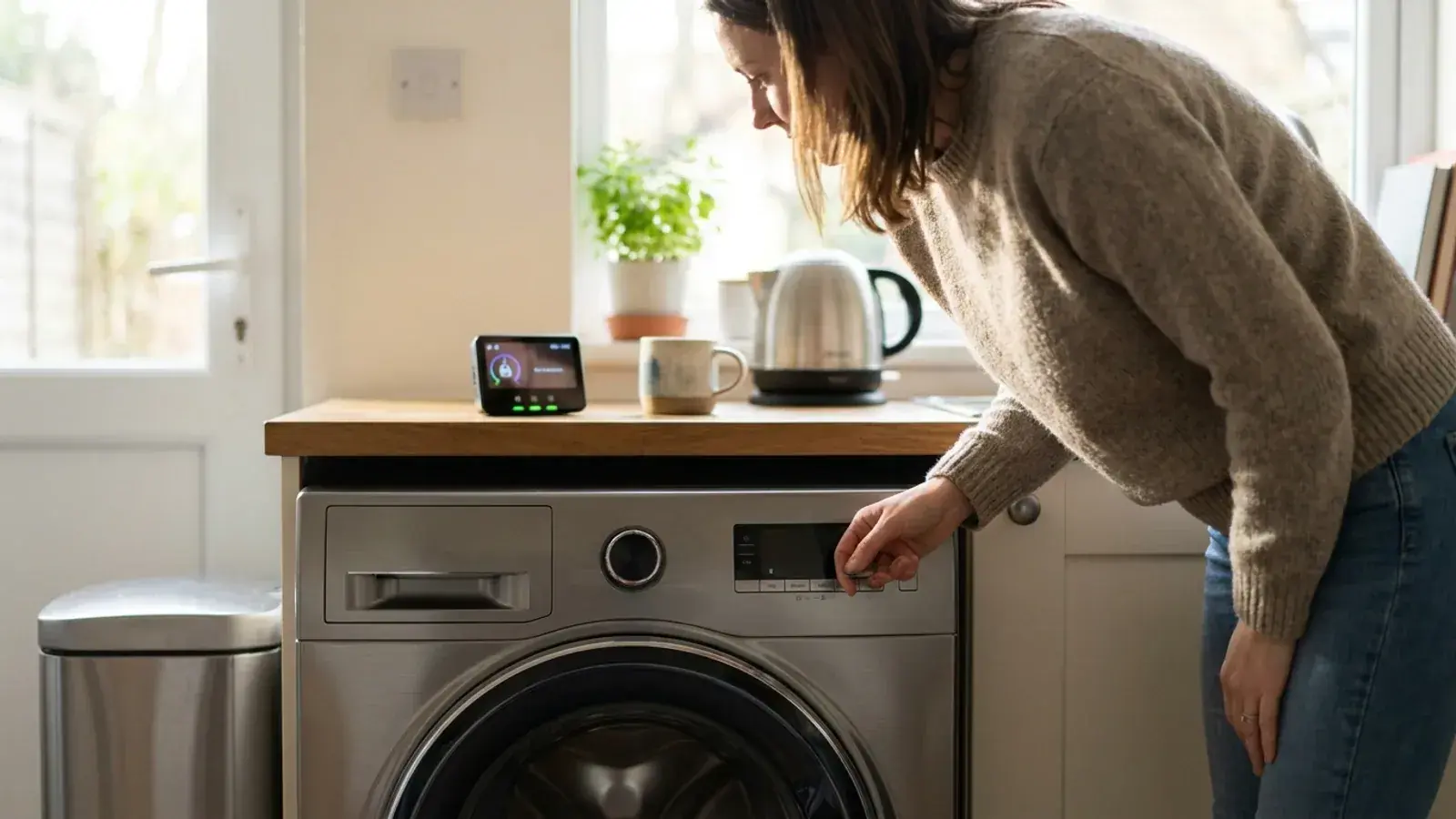
Octopus Energy Agile Tariff Review 2026
Most UK households pay a flat rate for their electricity. Whether you boil the kettle at three in the morning or roast a chicken at six in the evening, the price for each unit of power stays exactly the same. The Octopus Energy Agile tariff takes a completely different approach. It is a dynamic, tim
Read guide→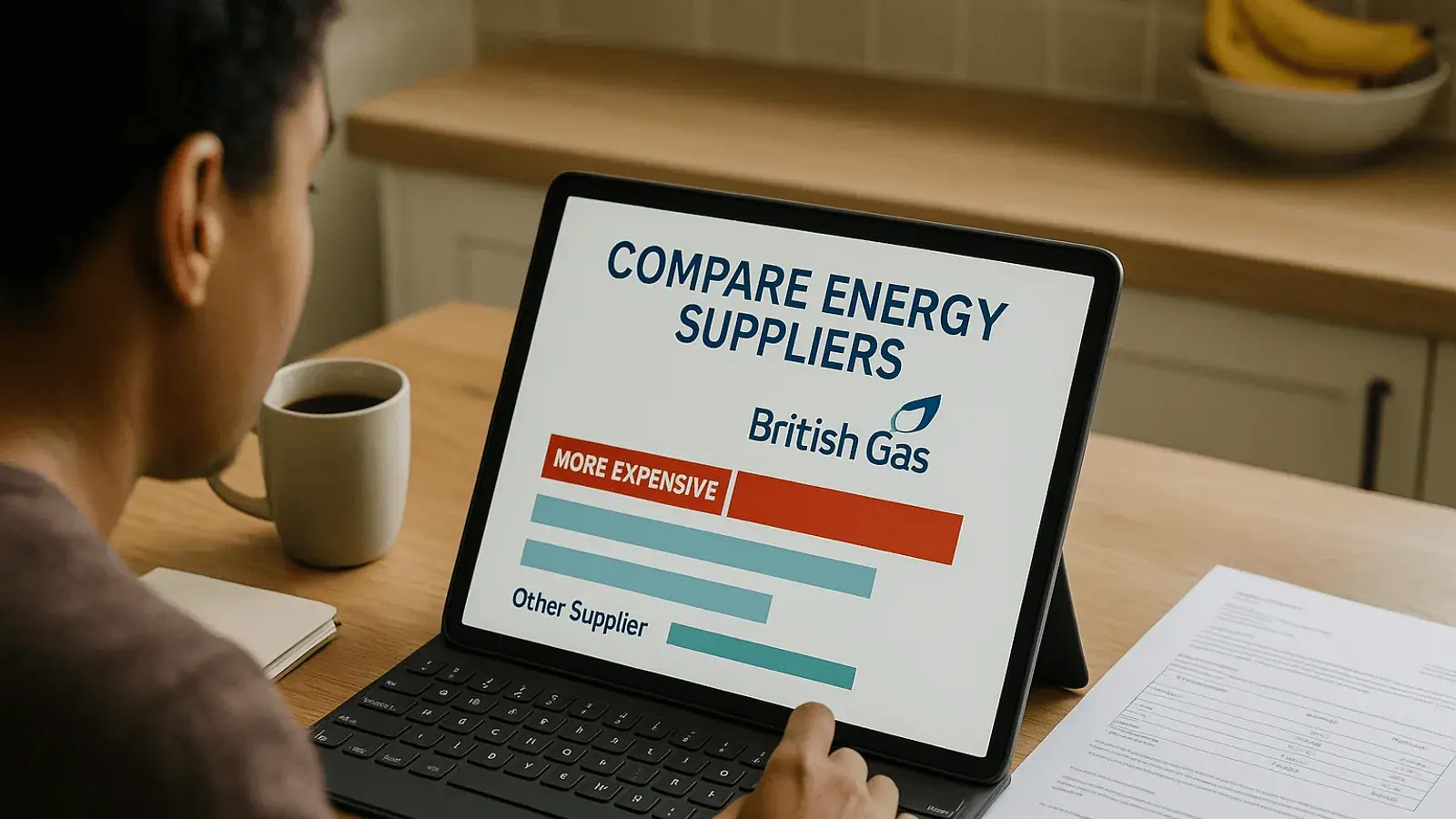
Who is cheaper than British Gas? (2026)
British Gas is one of the UK's largest energy suppliers, but staying on its default standard variable tariff is currently one of the most expensive ways to pay for your gas and electricity. Following a 13% rise in the Ofgem price cap on 1 July 2026, household energy bills have jumped again, driven b
Read guide→
Written by
Rob Gibbs
Hi, I'm Rob, and I run Energy-Review.co.uk. I initially started this project in 2018 when I was looking to switch energy suppliers and found there wasn't a website that provided simple, data-backed reviews on all the suppliers available. Since then, I have spent a lot of time (too much, some may say!) looking at all publicly available data about each supplier and writing reviews using this information. These reviews are updated as regularly as possible, and any data is backed up by a source where necessary. I have also started writing guides on various energy-related topics, which hopefully you will find useful. If you find any issues, please use our contact form to let us know.