
Does Octopus Energy provide solar panels?
Yes. Octopus Energy is now one of the largest domestic solar installers in the UK.
Contents
- 1.Does Octopus Energy provide solar panels?
- 2.How much do solar panels from Octopus cost?
- 3.What equipment does Octopus install?
- 4.Who is eligible for an Octopus solar installation?
- 5.The installation process and potential delays
- 6.Octopus solar tariffs and earning money
- 7.Octopus Zero Bills, grants, and government schemes
- 8.Plug-in balcony solar panels
- 9.Is it worth getting a battery with your panels?
- 10.How Octopus compares to other suppliers
- 11.Should you get solar panels through Octopus Energy?
- 12.FAQs
Does Octopus Energy provide solar panels?
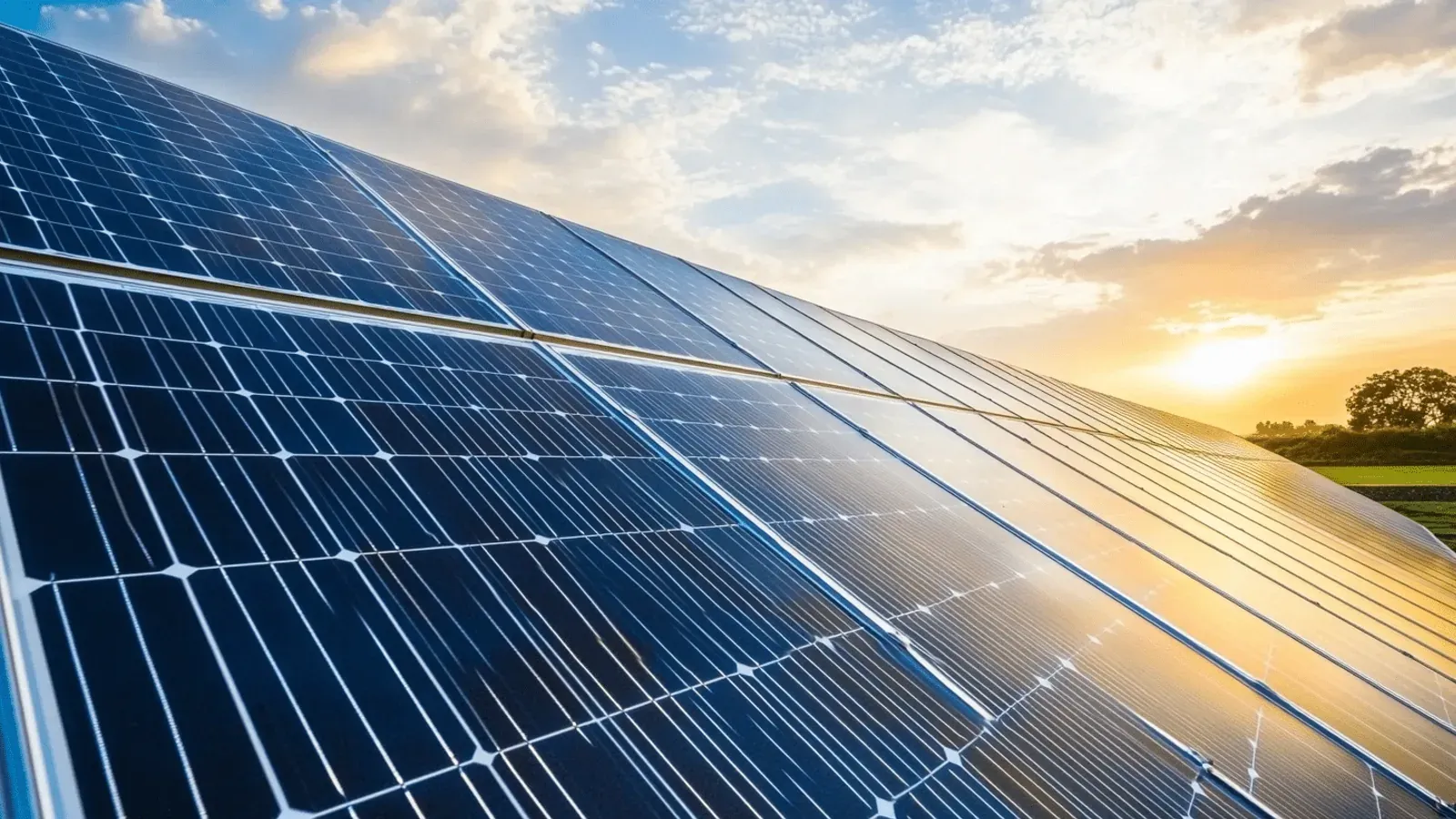
Yes. Octopus Energy is now one of the largest domestic solar installers in the UK. Through its engineering arm, Octopus Energy Services, the supplier offers a full installation service for solar panels, home batteries, and inverters.[1]
Interest in generating electricity at home has grown as households look for ways to cut their energy bills and rely less on the national grid. While Octopus does not make the solar panels itself, it supplies and fits hardware from established brands. Customers can also sign up for specific solar tariffs that pay them for the excess energy they send back to the grid.
Getting solar panels is a major financial commitment. While Octopus offers competitive packages and integrates them well with its own smart tariffs, the company has strict rules about which homes it can install on. It also relies on third-party subcontractors in some parts of the country, which can affect the installation experience.
Octopus Energy offers high-quality solar hardware and great export tariffs, but strict roof criteria mean many homes will need to look for a local installer instead.
Use our referral link, and we'll both get £50 credit once your switch is complete.
Existing customer? Find out how you can benefit too. T&Cs apply (only one switching offer per household)
How much do solar panels from Octopus cost?
The price of an Octopus Energy solar installation depends on how many panels you need, the type of inverter you choose, and whether you add a home battery. Because every roof is different, Octopus provides a custom quote after an online assessment.
As of April 2026, Octopus prices start from £6,663. This entry-level price covers a basic two-panel system without a battery. However, most households need a much larger system to see a real difference in their energy bills.
The most popular package Octopus sells includes 12 solar panels paired with a 10kWh smart home battery. This setup costs £11,115. The price includes the panels, the battery, the inverter, delivery, and the labour required to fit the system. You may have to pay extra if your home needs complex scaffolding or if you want bird-proofing mesh fitted around the panels.
To put these prices into context, a typical 5kW solar system without a battery across the wider UK market generally costs between £7,000 and £9,500. Adding a 5kWh to 10kWh battery usually adds roughly £3,000 to £6,500 to the total bill. This puts Octopus Energy's pricing roughly in line with the national average for a premium installation.
You do not have to pay VAT on these installations. The government currently applies a 0% VAT rate to solar panels and home batteries, which helps keep the upfront cost down.
What equipment does Octopus install?
Octopus Energy does not manufacture its own solar hardware. Instead, it installs equipment from established global brands. The standard panels they fit are JA Solar panels, which usually have a power output of around 455W each. These panels come with a 25-year product warranty, meaning they are guaranteed to keep working efficiently for decades.
For the inverter — the device that turns the direct current (DC) electricity generated by the panels into the alternating current (AC) electricity your home appliances use — Octopus offers two main choices. Octopus says its current systems use microinverters, except Tesla Powerwall 3 systems, which use the Powerwall’s built-in inverter.
A string inverter links all your panels together in a single circuit. If one panel is shaded by a tree or chimney, the output of the whole chain drops. Microinverters are fitted to each individual panel, meaning shade on one panel does not affect the rest. Microinverters cost more, but they are often the better choice for roofs that get partial shade during the day.
If you choose to add a battery, Octopus currently installs the Tesla Powerwall 3, which holds 13.5kWh of electricity, as well as options from Enphase and Fox ESS. The right battery for you will depend on how much electricity you use and how much space you have, as the Tesla Powerwall is a large, heavy unit that needs a solid wall for mounting.
Who is eligible for an Octopus solar installation?
Octopus Energy has strict rules about the types of properties it will work on. Many homeowners assume a large supplier will handle complex jobs, but Octopus focuses on standard installations to keep its operations simple.
If your home has a flat roof, slate tiles, or a non-standard structure, Octopus will reject your application. Flat roofs require different mounting frames and wind-uplift calculations, which Octopus does not currently include in its standard service. Homes with three-phase electricity meters — often found in very large houses or properties with high-draw equipment like heat pumps — are also excluded because they need a different inverter setup.
If you do not meet these criteria, you can still get solar panels, but you will need to find an independent, MCS-certified local installer who can handle custom or complex jobs.
The installation process and potential delays
If your home is eligible, the process starts with an online estimate, followed by a design consultation. During this call, Octopus will look at satellite images of your roof, check your historical energy usage, and calculate a personalised payback period so you know what financial return to expect. After this, a surveyor visits your home to check the roof structure and electrical setup.
How the actual installation goes depends heavily on where you live. Octopus does not yet have its own in-house engineers covering the whole country. In areas where they do operate, their own staff handle the job from start to finish. In postcodes they do not cover directly, they pass the work to third-party subcontractors, which they call 'Trusted Partners'.
This split model has caused some problems. While Octopus generally has very high customer service scores, its solar division has faced criticism for logistical issues. Consumer reports highlight cases of poor communication between Octopus and its third-party scaffolding contractors. In some instances, scaffolding has been left up for weeks after the job was finished, and some full installations have taken up to 73 days to complete.
Octopus solar tariffs and earning money
When your solar panels generate more electricity than your home is using, the excess is sent out to the national grid. Under Ofgem rules, large energy suppliers must pay you for this power through the Smart Export Guarantee (SEG). Octopus offers a standard SEG rate of 4.1p for every kWh you export.
However, you can earn much more if you sign up for a dedicated solar tariff. Octopus offers the 'Outgoing Octopus' tariff, which pays a flat rate of 12p per kWh for exported energy. This is one of the more competitive flat export rates on the market.
It is worth noting that energy tariffs change based on wholesale market conditions. Older guides and online forums often say Octopus pays 15p per kWh for exported energy. This is no longer true — Octopus dropped the fixed Outgoing rate to 12p per kWh for new customers on 1 March 2026.
Octopus also offers specialised tariffs called Octopus Flux and Intelligent Octopus Flux for eligible customers with compatible home batteries. Outgoing Octopus currently pays a flat 12p per kWh, but it is a variable tariff and its rate can change with notice.
Octopus Zero Bills, grants, and government schemes
You may have heard of the 'Octopus Zero Bills' plan and assumed it means you can get free solar panels. This is a common misunderstanding. Zero Bills is a 10-year tariff for qualifying homes with Octopus-approved solar, battery and heat-pump equipment. It covers both electricity import and export while the home and its equipment continue to meet the scheme’s eligibility conditions.[1]
If you are looking for help with the upfront cost, there are government schemes available, though they depend heavily on your circumstances. Low-income and vulnerable households may be able to get solar panels fully funded through the ECO4 scheme, which runs until the end of 2026, or through the Warm Homes: Local Grant managed by local councils. Octopus is an active installer for ECO4.
For households that do not qualify for low-income support, the government’s £15 billion Warm Homes Plan includes planned low- and zero-interest consumer loans to help with the upfront cost of measures such as solar panels, batteries and heat pumps. Availability and eligibility will depend on the final loan offer.
On top of this, the Future Homes Standard came into effect in early 2026. In England, the standard requires on-site renewable electricity generation for most new homes, subject to exceptions; the government expects solar panels to be used in the majority of cases.
Plug-in balcony solar panels
If you cannot afford a full rooftop system, or if your roof is not suitable, there is a new alternative. Regulations made in July 2026 will allow UK households to use compliant small 'plug-in' solar panels — often called balcony solar — without needing a professional electrician when the new rules take effect on 27 August 2026.[1]
From 27 August 2026, compliant solar-only devices with an output of up to 800VA can plug directly into a standard three-pin wall socket. These small setups can be fixed to a balcony, a shed, or a garden fence. While they will not power your whole house, they can cover background electricity use, like your fridge or Wi-Fi router, saving a household roughly £70 to £110 a year.
Is it worth getting a battery with your panels?
When you buy solar panels from Octopus, you will be asked if you want to add a battery. While a battery adds £3,000 to £6,500 to the total cost, it changes how you use your energy.
Without a battery, you only use solar power while the sun is shining. If you are out at work during the day, most of the energy you generate is sent to the grid. By adding a battery, you can store that daytime energy and use it in the evening when the TV and oven are on. Adding a battery typically increases a household's self-consumption of their own solar energy to around 70% to 80%.
A battery also allows you to take advantage of cheap off-peak electricity from the grid. For example, if you are on the Intelligent Octopus Go tariff, you can charge your battery overnight when the rate is around 7p per kWh, and then use that cheap stored power during the day when grid prices are much higher.
Octopus says a solar and battery system could pay for itself in around 9 to 13 years, although the result depends on your system design, usage, location and tariff.
How Octopus compares to other suppliers
Octopus is not the only energy supplier offering solar installations. If you are gathering quotes, it is worth looking at other major providers to compare prices and hardware.
EDF offers solar panel and battery installation services, alongside its own competitive export tariffs. E.ON Next provides solar and battery packages specifically designed to help households cut their grid reliance. ScottishPower, one of the UK's largest suppliers, also fits solar panels and focuses heavily on smart energy management tools through its app.
You do not have to buy your solar panels from your energy supplier. You can use an independent local installer for the physical work and then switch your energy account to Octopus or EDF later to get access to their export tariffs. An MCS-certified installation can help you qualify for SEG tariffs, but each supplier sets its own rates and eligibility requirements.
Should you get solar panels through Octopus Energy?
Octopus Energy offers excellent hardware and strong tariffs, but only if your home meets their strict criteria.
If you have a standard pitched roof with concrete or clay tiles, Octopus provides a straightforward way to get high-quality solar panels and a battery. Their integration with smart tariffs like Outgoing Octopus makes it easy to earn money from your excess energy.
However, if you have a flat roof, a three-phase meter, or live in an area where they rely on third-party subcontractors, you may be better off getting quotes from independent local installers who can offer a more tailored service.
Frequently asked questions
Do I have to be an Octopus Energy customer to get their solar panels?
No, you do not need to be an existing customer to get a quote or have Octopus install your panels. However, to access their best export tariffs, like the 12p/kWh Outgoing Octopus rate, you will need to switch your electricity supply to them once the system is running.
How much does Octopus pay for exported solar energy?
Octopus currently pays 12p per kWh on its Outgoing Octopus tariff for new customers, although this variable tariff’s rate can change with notice. They also offer a standard Smart Export Guarantee (SEG) rate of 4.1p per kWh for those who do not want the dedicated Outgoing tariff.
Sources
Will Octopus install solar panels on a flat roof?
No. Octopus Energy currently only installs solar panels on pitched roofs covered with standard concrete or clay tiles. If you have a flat roof, you will need to use a different installer.
Are there grants available for Octopus solar panels?
Yes, but they depend on your income. Low-income households may qualify for fully funded panels through the ECO4 scheme, which Octopus participates in. For other households, the government is expected to launch the Warm Homes Plan later in 2026, which may offer interest-free loans.
What is Octopus Zero Bills?
Octopus Zero Bills is a scheme where a home is fitted with green tech, including solar panels and a battery, with no upfront cost and zero energy bills. In return, the homeowner must give up all the income from their exported solar energy to Octopus for around 10 years to pay off the equipment.
Related reviews and comparisons
Octopus Energy vs E.ON Next
Octopus Energy launched in 2016 as a household energy supplier and has grown into a wider energy and technology group. Its operations include renewable generation and the Kraken energy platform.
Read comparison →E.ON Next vs Scottish Power
E.ON Next is the retail brand of the German energy group E.ON in the UK. It was set up to take on domestic customers after E.ON bought npower, making it one of the UK's largest suppliers. In May 2026, E.ON announced a planned deal to buy OVO Energy, which would increase its scale in the UK market. I
Read comparison →Octopus Energy vs Ecotricity
Octopus Energy started in 2015. Through its own growth and by buying other suppliers like Bulb and Shell Energy Retail, it has grown quickly. Today, it is the UK's largest domestic energy supplier. It runs on its own in-house software, which helps it manage customer accounts and offer new types of e
Read comparison →Octopus Energy vs 100Green
Octopus Energy started in 2015 and has grown to become the UK's largest energy supplier. It supplies millions of homes and runs in several other countries. The company builds its own technology to manage customer accounts and billing.
Read comparison →Octopus Energy vs Utility Warehouse
Octopus Energy started in 2015 and is backed by investors such as Generation Investment Management and Origin Energy. It grew by taking on customers from failed suppliers and bought Bulb and Shell Energy UK, making it the UK's largest domestic energy supplier. It builds its own billing software, cal
Read comparison →Related guides

How to get a free Octopus Energy cuddly toy?
If you are an Octopus Energy customer, you might recognise their pink, eight-legged mascot, Constantine. Fluffy plush versions of the mascot have become highly popular, often appearing across social media and in homes around the UK.
Read guide →
Average Gas and Electricity Bill for a Three Bed House (2026)
If you live in a three-bedroom house, you might wonder if your energy bills are normal or if you are paying too much. For comparison purposes, this guide uses Ofgem's medium-consumption benchmark of 2,500 kWh of electricity and 9,500 kWh of gas a year. This usually describes a property with two or t
Read guide →
What is the average gas and electricity bill in the UK?
Energy bills remain a major part of household spending. Over the last few years, the cost of gas and electricity has seen massive changes, driven heavily by global events that affect the price suppliers pay for wholesale energy. For example, the Ofgem price cap rose by roughly 13% in July 2026, larg
Read guide →
Written by
Rob Gibbs
Hi, I'm Rob, and I run Energy-Review.co.uk. I initially started this project in 2018 when I was looking to switch energy suppliers and found there wasn't a website that provided simple, data-backed reviews on all the suppliers available. Since then, I have spent a lot of time (too much, some may say!) looking at all publicly available data about each supplier and writing reviews using this information. These reviews are updated as regularly as possible, and any data is backed up by a source where necessary. I have also started writing guides on various energy-related topics, which hopefully you will find useful. If you find any issues, please use our contact form to let us know.