
No standing charge energy tariffs and suppliers – 2026
In Great Britain, energy bills are made up of two main parts: the unit rate for the gas and electricity you actually use, and a fixed daily fee called the.
Contents
- 1.Introduction to zero standing charge tariffs
- 2.What is a standing charge and why do we pay it?
- 3.Which suppliers offer no standing charge tariffs?
- 4.Which standard tariffs have the lowest standing charges?
- 5.Practical ways to reduce your energy costs
- 6.Final verdict on zero standing charge tariffs
- 7.FAQs
Introduction to zero standing charge tariffs
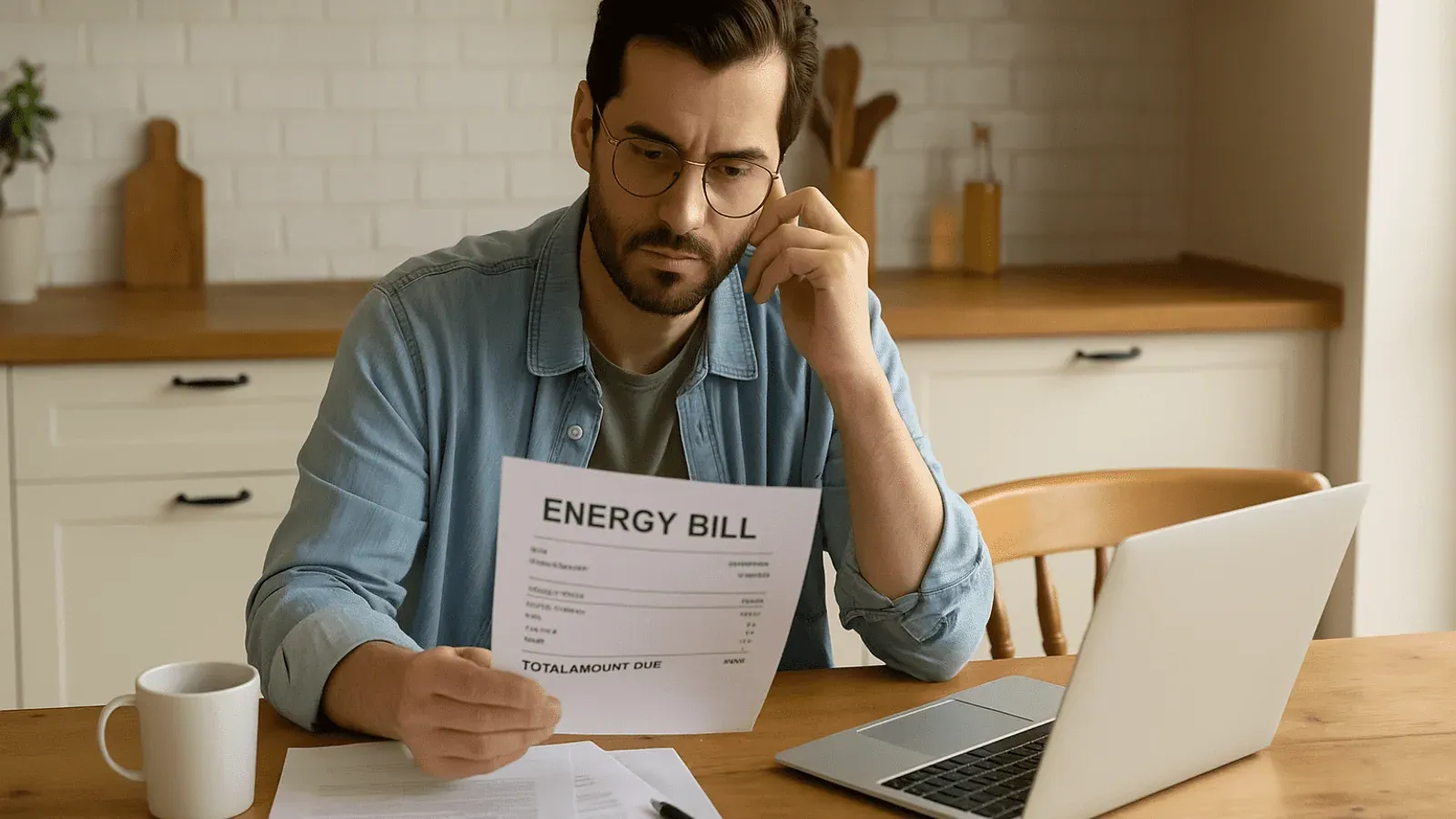
In Great Britain, energy bills are made up of two main parts: the unit rate for the gas and electricity you actually use, and a fixed daily fee called the standing charge. You pay the standing charge every day, even if your home sits empty and you use no energy at all. For many households, this fixed fee feels unfair, especially when trying to cut back on usage to save money.[1]
As a result, many people look for energy tariffs with no standing charge. While these tariffs do exist, they are very rare and come with strict conditions. The suppliers that offer them do not simply wipe away the fixed costs of supplying your home. Instead, they move those costs over to the unit rate. This means every time you boil a kettle or turn on the heating, you pay a higher price than you would on a standard tariff.
Unless your property sits empty for months or you use very little energy, a zero standing charge tariff will likely increase your overall bill due to the inflated unit rates.
Use our referral link, and we'll both get £50 credit once your switch is complete.
Existing customer? Find out how you can benefit too. T&Cs apply (only one switching offer per household)
What is a standing charge and why do we pay it?
A standing charge is essentially a daily line rental for your energy supply. It covers the fixed costs of keeping your property connected to the national energy grid, regardless of how much gas or electricity you draw from it.
The money collected through standing charges goes toward several different areas. A large portion pays for the physical maintenance of the network, including the wires, pipes, and substations that carry energy to your door. It also covers the cost of meter maintenance and the administration needed to keep your account active.
In recent years, the standing charge also absorbed the cost of suppliers going out of business. When dozens of energy companies collapsed, the cost of moving their customers to new suppliers was spread across everyone's bills via the standing charge. On top of this, it used to cover various government environmental and social schemes.
Which suppliers offer no standing charge tariffs?
As of July 2026, only two energy suppliers offer true zero standing charge tariffs: Utilita and E Energy. However, these tariffs are not available to everyone. Both suppliers restrict their zero standing charge options exclusively to customers with prepayment meters (pay-as-you-go).
If you pay for your energy by Direct Debit or on receipt of a monthly bill, you cannot sign up for a zero standing charge tariff with either of these suppliers. In the past, Utilita did offer a zero standing charge option for standard credit customers, but this is no longer the case. The market has shifted, and suppliers find it too risky to offer zero fixed fees to households paying in arrears.
While Octopus Energy does have a tariff with no standing charge, this is currently restricted to business customers. For standard domestic homes, the options remain strictly limited to the prepayment tariffs from Utilita and E Energy.
Which standard tariffs have the lowest standing charges?
Since most households cannot access a zero standing charge tariff, the next best option is to find a standard supplier with lower-than-average fixed fees. While all major suppliers charge a daily fee, some price it slightly below the Ofgem price cap average.
| Supplier | Tariff Name | Electricity Standing Charge | Gas Standing Charge |
|---|---|---|---|
| Octopus Energy | Flexible Octopus | Varies by region and payment method | Varies by region and payment method |
| British Gas | Standard Variable | 53.60p a day | 28.78p a day |
| EDF Energy | Standard Variable | 53.60p a day | 28.78p a day |
| Sainsbury's Energy | Standard Variable | 53.60p a day | 28.78p a day |
| Good Energy | Standard | 66.55p a day | 34.05p a day |
As the table shows, Octopus Energy currently offers slightly lower standing charges on its standard variable tariff compared to the likes of British Gas and EDF. Good Energy, which focuses heavily on renewable sourcing, charges a notably higher daily fee.
When comparing these options, you must always look at the unit rate alongside the standing charge. A tariff with a slightly higher daily fee but a much cheaper unit rate will often work out better for an average or high-usage household.
Practical ways to reduce your energy costs
If you cannot avoid the standing charge, you have to focus on the parts of your bill you can control. Lowering your unit rate and reducing your overall consumption are the most effective ways to offset the £315 a year you pay in fixed fees.
Final verdict on zero standing charge tariffs
Most households should stick to a standard tariff, as the inflated unit rates on zero standing charge deals will cost you more in the long run.
While avoiding the daily fee sounds appealing, the reality is that suppliers have to recover those network costs somehow. By baking the fees into the unit rate, zero standing charge tariffs heavily penalise anyone who uses a normal amount of energy. On top of this, the restriction to prepayment meters makes them inaccessible to the vast majority of households paying by Direct Debit.
Unless you are dealing with a property that sits empty for months at a time, or you have exceptionally low energy usage, a standard tariff with competitive unit rates is the most practical choice. For now, the best approach is to compare standard deals, look for suppliers with slightly lower fixed fees like Octopus Energy, and focus on reducing your daily consumption.
Frequently asked questions
Can I avoid standing charges by switching off my appliances?
No. The standing charge is a fixed daily fee for keeping your property connected to the energy grid. You will be charged this amount every day regardless of whether you turn on any appliances or use any energy.
Does Octopus Energy have a no standing charge tariff?
Octopus Energy does have a tariff with zero standing charges, but it is currently only available to business customers. For domestic households, they charge a daily fee, though their standard rates are often slightly lower than the Ofgem average.
Can anyone switch to a zero standing charge tariff?
Currently, no. The only two true zero standing charge tariffs on the market from Utilita and E Energy are restricted to customers with prepayment meters. You cannot get these tariffs if you pay by Direct Debit or standard credit.
Will Ofgem ban standing charges entirely?
Ofgem decided against a complete ban, as removing the standing charge entirely would force unit rates up, hurting vulnerable people who need high amounts of energy. Instead, they are running a pilot until June 2027 to test lower standing charge models.
Are zero standing charge tariffs cheaper overall?
For most typical households, they are not cheaper. Because the supplier charges a much higher unit rate to make up for the missing daily fee, average and high energy users will end up paying more on a zero standing charge tariff.
Related reviews and comparisons
Octopus Energy tariffs compared with the price cap
Month by month, how each Octopus Energy tariff compared with the Ofgem price cap on the same consumption, including standing charges.
Read more →Snug Octopus prices
A storage-heater tariff with a six-hour overnight cheap band and an Octopus-controlled afternoon boost.
Read more →Agile Outgoing Octopus prices
Half-hourly export payments that follow uncapped day-ahead wholesale prices.
Read more →Energy Price Cap Rates by Region
Ofgem unit rates, standing charges and benchmark bills by price-cap region, payment method and meter type
Read more →Home Energy vs OVO Energy
Home Energy is a family-owned, independent supplier based in London. It is a newer entrant to the UK market and positions itself as a cheaper alternative to larger suppliers. The company focuses on simple energy with clear billing and aims to give customers easy-to-use online tools to manage their a
Read comparison →Related guides

Zero Standing Charge Tariffs: What you need to know
Every energy bill in Great Britain is split into two parts. The first part is the unit rate, which is the price you pay for the actual gas and electricity you use. The second part is the standing charge. This is a fixed daily fee that you have to pay just to be connected to the energy network. You p
Read guide →
Average Gas and Electricity Bill for a Four Bed House (2026)
Running a four-bedroom house comes with higher living costs, and energy bills usually make up a large part of the household budget. Because larger homes have more rooms to heat and often house more people, they naturally draw more power from the grid. For comparison purposes, this guide uses Ofgem's
Read guide →
Average Gas and Electricity Bill for a Two Bed House (2026)
Owning or renting a two-bedroom house comes with a specific set of running costs. For many households, gas and electricity bills make up a large part of their monthly outgoings. Understanding how much energy a property of this size typically uses can help you spot if you are paying too much, or if y
Read guide →
Written by
Rob Gibbs
Hi, I'm Rob, and I run Energy-Review.co.uk. I initially started this project in 2018 when I was looking to switch energy suppliers and found there wasn't a website that provided simple, data-backed reviews on all the suppliers available. Since then, I have spent a lot of time (too much, some may say!) looking at all publicly available data about each supplier and writing reviews using this information. These reviews are updated as regularly as possible, and any data is backed up by a source where necessary. I have also started writing guides on various energy-related topics, which hopefully you will find useful. If you find any issues, please use our contact form to let us know.