
Energy Price Cap Predictions
The energy price cap will rise to £1,723 a year for a typical household from 1 October 2026, with further increases forecast for January 2027.
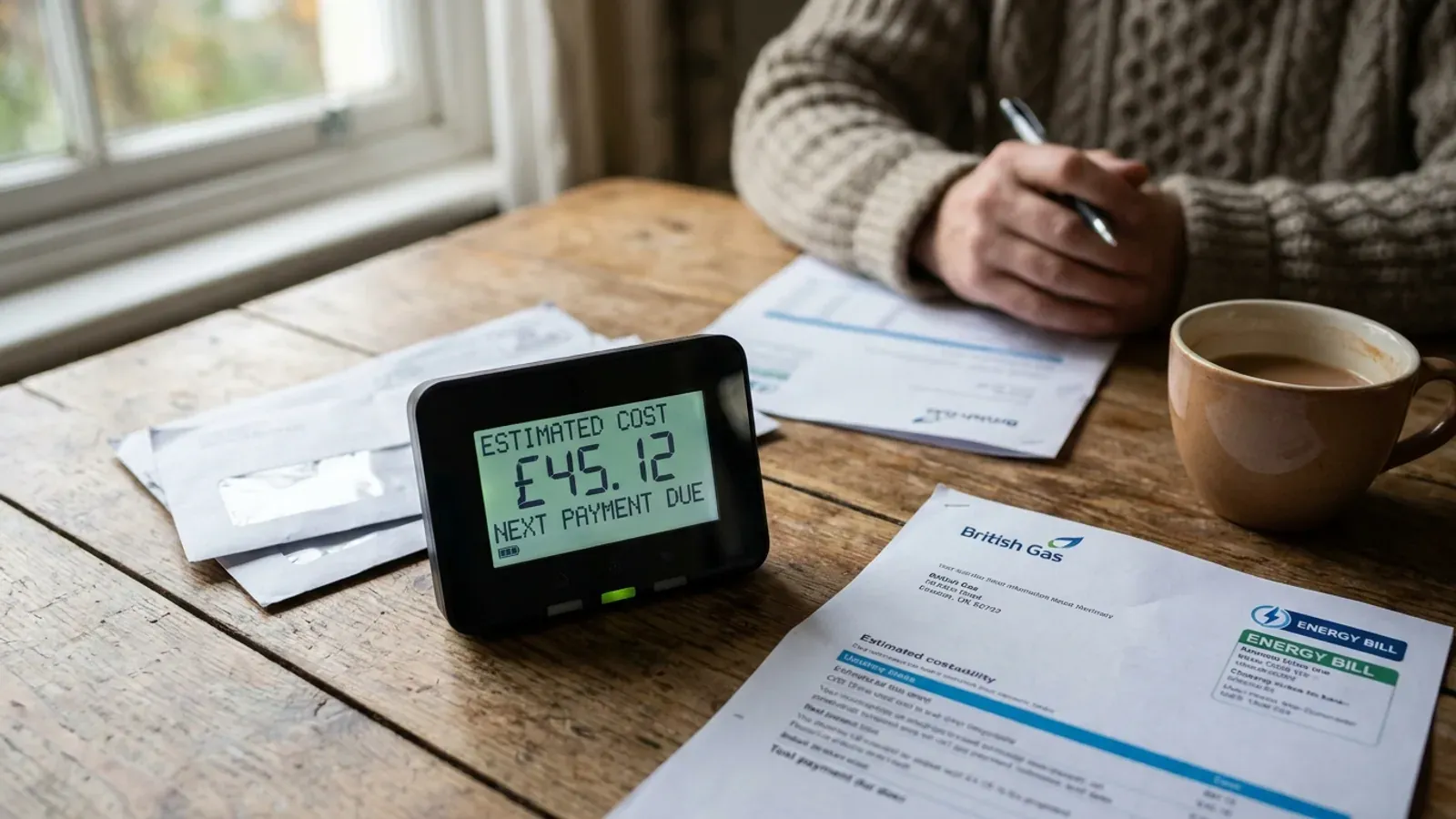
Contents
- 1.Energy Price Cap Changes and Forecasts
- 2.The Confirmed October 2026 Price Cap
- 3.Unit Rates, Standing Charges, and the VAT Cut
- 4.Looking Ahead: January 2027 Forecasts
- 5.Should You Fix Your Energy Tariff?
- 6.How the Price Cap Actually Works
- 7.What Else Affects Your Energy Costs
- 8.Practical Steps for the Winter
- 9.Final Verdict
- 10.FAQs
Energy Price Cap Changes and Forecasts
With prices confirmed to rise in October and forecast to increase again in January, fixing your energy tariff now offers protection against winter hikes, though you risk missing out if wholesale costs fall later next year.
Energy bills are set to change again as we head into the colder months. The regulator, Ofgem, reviews the price cap every three months to reflect the cost of buying energy on the wholesale market. For the period between 1 July and 30 September 2026, the cap sits at £1,663 a year for a typical dual-fuel household paying by Direct Debit. However, this period is coming to an end, and the regulator has now confirmed the rates for the final three months of the year.
From 1 October 2026, the price cap will rise. This means households on standard variable tariffs will see an increase in the amount they pay for the energy they use. At the same time, the government is introducing a temporary tax change to help soften the blow for electricity customers. If you are deciding whether to stick with your current variable tariff or move to a fixed deal, it helps to understand exactly what these confirmed changes mean for your winter bills, as well as what analysts expect to happen at the start of 2027.
Use our referral link, and we'll both get £50 credit once your switch is complete.
Existing customer? Find out how you can benefit too. T&Cs apply (only one switching offer per household)
The Confirmed October 2026 Price Cap
Ofgem has officially confirmed that the energy price cap will increase on 1 October 2026. The new cap is set at £1,723 a year for a typical household and will remain in place until 31 December 2026. This represents a 4% increase from the summer rates, adding around £60 a year to a typical household's energy costs.
It is worth understanding how Ofgem calculates this typical figure. The regulator uses Typical Domestic Consumption Values to estimate how much gas and electricity an average home uses in a year. On 1 July 2026, Ofgem updated these values to reflect the fact that households are generally using less energy than they did in the past. The £1,723 figure is based on these new, lower usage estimates.
This increase is driven largely by the cost of wholesale energy. Suppliers buy gas and electricity months in advance, and when global events or supply issues push those wholesale prices up, Ofgem raises the cap to allow suppliers to cover their costs. Because we use much more energy for heating during the winter, the October increase will have a noticeable effect on household budgets just as the weather turns colder.
Unit Rates, Standing Charges, and the VAT Cut
The headline figure of £1,723 is useful for tracking trends, but it is the actual unit rates and standing charges that decide what comes out of your bank account. From 1 October 2026, the average rates for a household paying by Direct Debit in Great Britain will change.
| Fuel | Unit rate (per kWh) | Standing charge (per day) |
|---|---|---|
| Electricity (from 1 Oct) | 26.32p | 54.83p |
| Gas (from 1 Oct) | 7.97p | 29.68p |
A major change coming this winter is the government's temporary cut to Value Added Tax on domestic electricity. Usually, energy bills include a 5% VAT charge. However, from 1 October 2026 until 31 March 2027, the VAT on electricity will drop to 0%. The VAT on gas will remain at the standard 5% rate.
This tax change creates a split in how the October price rise affects different households. Because the 0% VAT policy offsets the rising wholesale cost of electricity, electricity-only bills will see an increase of less than 1%. If your home relies entirely on electricity for heating, your costs will stay relatively flat compared to the summer cap. On the other hand, because gas does not benefit from the VAT cut, gas bills will be approximately 8% higher from October.[1]
You do not need to contact your supplier to get this tax reduction. Energy companies will automatically apply the 0% VAT rate to the electricity portion of your bill for any energy used between October and the end of March.
Looking Ahead: January 2027 Forecasts
While the October rates are now locked in, the energy market remains unsettled. Ofgem will announce the next price cap, which covers 1 January to 31 March 2027, later in the year. Although we do not yet have the confirmed figures, industry experts track the wholesale markets closely to predict what will happen next.
As of late August 2026, the energy consultancy Cornwall Insight forecasts that the price cap will rise again at the start of the new year. They predict an increase of around 9% for the January to March quarter. If this forecast is accurate, the typical annual bill would rise from the October level of £1,723 to approximately £1,872.[1]
This predicted increase is largely due to the higher cost of securing gas supplies for the peak winter months. Because the UK relies heavily on gas for both home heating and generating electricity, any strain on international gas supplies quickly feeds through to domestic bills. For households planning their winter budgets, it is sensible to prepare for the possibility that energy will cost more in the new year than it does in the autumn.
Should You Fix Your Energy Tariff?
With prices confirmed to go up in October and forecast to rise again in January, many households are wondering if they should switch to a fixed energy tariff. When you are on a standard variable tariff, your supplier can change your rates, subject to the Ofgem price cap. If you choose a fixed tariff, you agree to pay a set unit rate and standing charge for a specific period, usually 12 months.
The main benefit of fixing right now is peace of mind. By locking in a rate, you take away the risk of a harsh price spike in the middle of winter. When comparing fixed deals, you should look at how they measure up against the confirmed October cap of £1,723, rather than the outgoing summer cap. If you can find a fix that is priced near or slightly below the October rates, it could prove to be a sensible choice, especially given the expected January rise.
However, fixing is a gamble. Energy markets are unpredictable. If global gas prices suddenly fall, the Ofgem price cap could drop significantly in April or July 2027. If you are locked into a 12-month fix, you will not benefit from those lower rates. If you decide to leave your fixed contract early to take advantage of cheaper prices, your supplier will usually charge an exit fee, which can eat into any savings you might make.
How the Price Cap Actually Works
One of the most common misunderstandings about the energy market is how the price cap functions. Many people believe that the cap is a strict limit on the total amount a supplier can charge them over the course of a year. This is not the case.
The Ofgem price cap limits the maximum amount your supplier can charge for each unit of gas and electricity you use, as well as the daily standing charge just to have the home connected to the grid. The headline figure of £1,723 is simply an illustration of what a household with average energy use will pay over a year based on those capped rates.
If you live in a large, poorly insulated house and run the heating constantly, you will use more units of energy than the average household, and your total bill will be much higher than £1,723. Equally, if you live in a small flat and are very careful with your heating, your final bill will be lower. You pay for exactly what you use.
It is also important to note that the Ofgem price cap only applies to households in Great Britain (England, Scotland, and Wales) who are on standard variable tariffs. It does not apply to fixed-rate tariffs, which are governed by the terms of your contract. Northern Ireland has a completely separate energy market and regulatory system, so these specific price cap figures do not apply there.
What Else Affects Your Energy Costs
While the price cap sets the baseline, several other factors determine exactly how much you will pay for your energy this winter.
Where you live plays a role. The unit rates and standing charges outlined by Ofgem are averages for Great Britain. The actual rates you pay vary slightly depending on your region. This is because the cost of maintaining the energy network and transporting gas and electricity to homes is different across the country. For example, standing charges are often higher in rural or remote areas where the grid is more expensive to run.
How you choose to pay your bill also makes a difference. The £1,723 typical figure assumes you pay by a standard Direct Debit. If you pay on receipt of your bill or use a prepayment meter, the costs are calculated differently. Rates can differ by payment method, so compare the tariff available for your meter and how you pay to ensure you understand your exact costs.
Finally, the energy efficiency of your home is the biggest factor within your control. Homes with good insulation, double glazing, and an efficient boiler or heat pump require much less energy to stay warm. The less energy you need to buy, the less you will be affected by increases in the unit rates.
Practical Steps for the Winter
With higher rates coming into force, there are a few practical steps you can take to manage your energy account and keep your bills as accurate as possible.
Final Verdict
Fixing your tariff provides certainty ahead of winter price rises.
If you value predictable bills, moving to a fixed tariff now protects you from the confirmed October increase and the forecast January rise. Knowing exactly what you will pay for each unit of energy can make managing your household budget much easier during the most expensive months of the year.
However, if wholesale prices drop in spring 2027, you may have to pay an exit fee to leave your fixed deal and access cheaper rates. If you are comfortable taking that risk in exchange for immediate security, locking in a rate now is a sensible move.
Frequently asked questions
Is £1,723 the absolute maximum I can be charged for energy?
No. The £1,723 figure is just an estimate for a household with typical energy usage. The price cap only limits the amount you pay for each unit of gas and electricity, alongside the daily standing charge. If you use more energy than the typical estimate, your total bill will be higher.
Does the price cap apply to my fixed tariff?
The Ofgem price cap only applies to standard variable tariffs. If you are on a fixed-rate energy deal, the unit rates and standing charges you pay are governed by the contract you signed with your supplier. Your rates will not change when the price cap goes up in October.
Why are electricity bills barely rising in October?
The government has introduced a temporary measure to cut VAT on domestic electricity from 5% to 0% between 1 October 2026 and 31 March 2027. This tax reduction offsets the rising wholesale cost of electricity, keeping electricity bills almost flat. Because gas still carries a 5% VAT charge, gas bills will see an increase of around 8%.
Do I need to do anything to get the 0% VAT on my electricity?
No, you do not need to take any action. Your energy supplier will automatically apply the 0% VAT rate to the electricity portion of your bill for the duration of the scheme. You will see this reflected in your statements from October onwards.
Will the price cap go down next year?
Energy markets are highly unpredictable. While analysts currently forecast that the price cap will rise again in January 2027, wholesale prices could fall later in the spring or summer. If global gas prices drop, Ofgem will lower the price cap in a future quarterly review, though it is impossible to guarantee when or by how much.
Related reviews and comparisons
Octopus Energy tariff price changes
A dated record of unit-rate and standing-charge changes across Octopus Energy tariffs, taken from the published prices.
Read more →EDF Energy tariff price changes
A dated record of unit-rate and standing-charge changes across EDF Energy tariffs, taken from the published prices.
Read more →EDF Energy tariffs compared with the price cap
Month by month, how each EDF Energy tariff compared with the Ofgem price cap on the same consumption, including standing charges.
Read more →Energy Price Cap Rates by Region
Ofgem unit rates, standing charges and benchmark bills by price-cap region, payment method and meter type
Read more →E.ON Next vs Scottish Power
E.ON Next is the retail brand of the German energy group E.ON in the UK. It was set up to take on domestic customers after E.ON bought npower, making it one of the UK's largest suppliers. In May 2026, E.ON announced a planned deal to buy OVO Energy, which would increase its scale in the UK market. I
Read comparison →Related guides
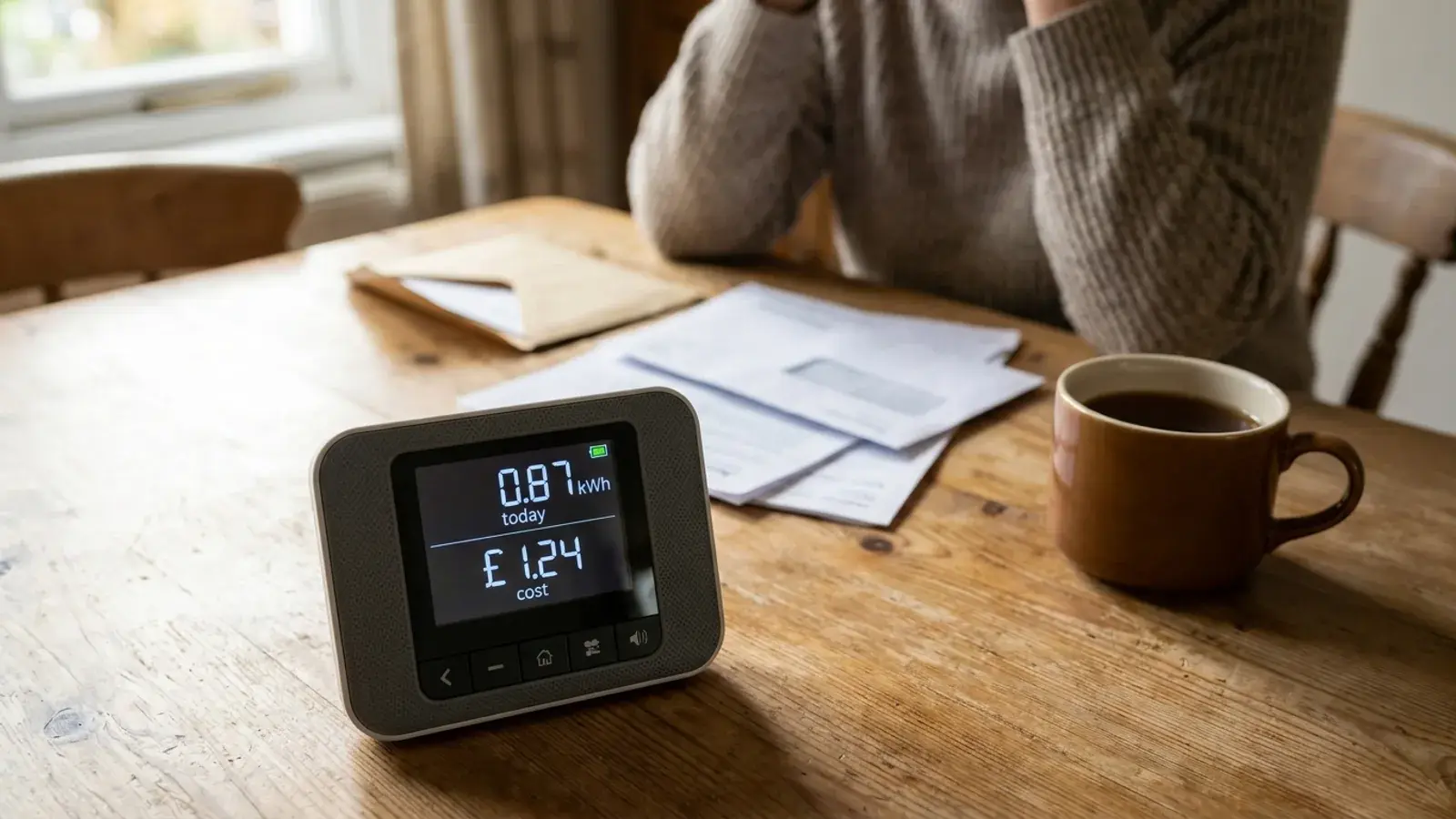
Average Gas & Electricity Prices per kWh (2026)
Energy prices play a huge part in managing a household budget. Knowing the average cost of gas and electricity helps you understand your own bills, check if you are paying a fair rate, and decide whether you should switch to a different tariff. The rates you pay depend on the wholesale cost of energ
Read guide →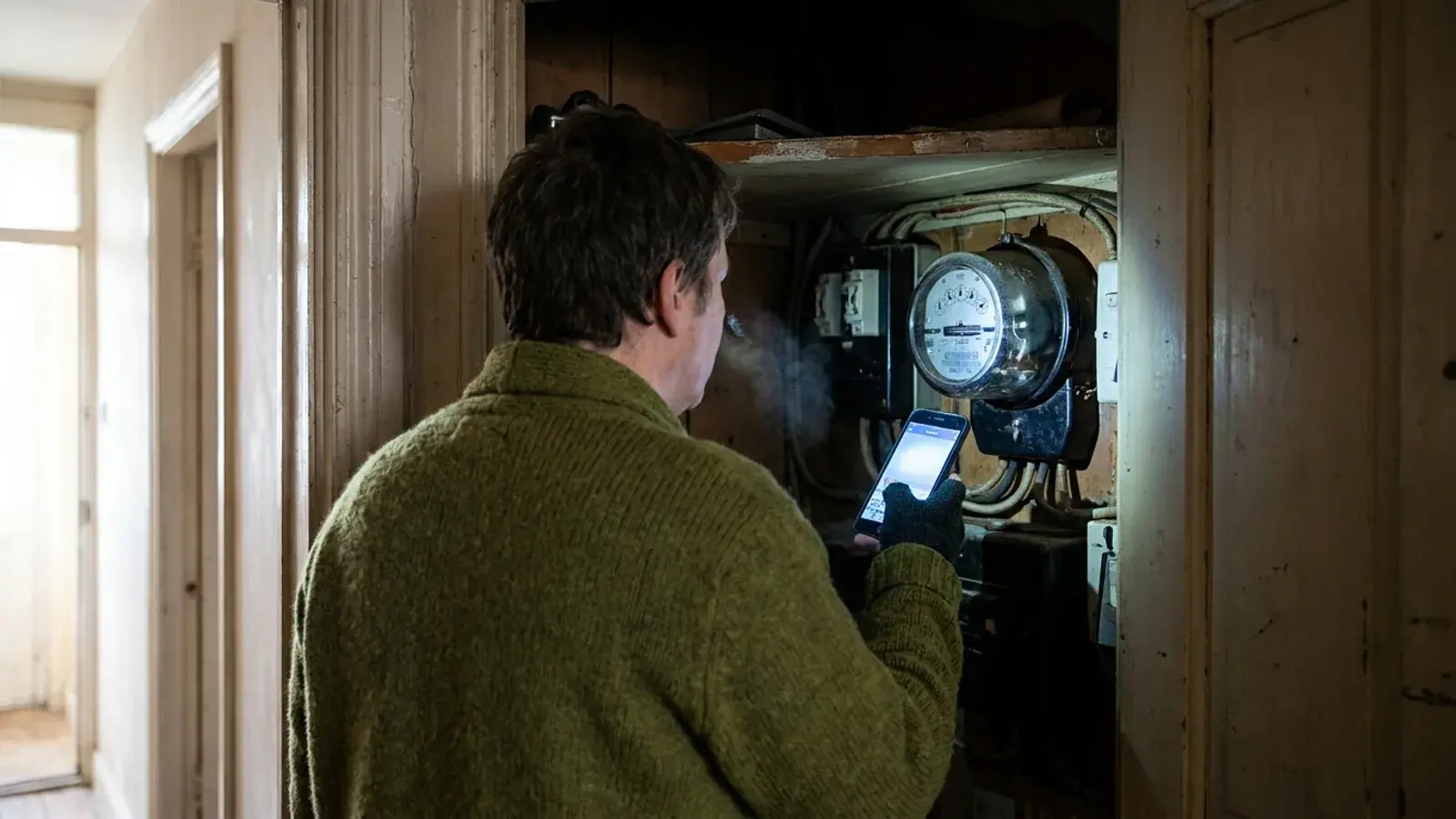
October 2026 Price Cap: New Rates and What They Mean for Your Bills
Ofgem announced on 26 August that the energy price cap will increase for the final three months of the year. From 1 October to 31 December 2026, a typical household paying by Direct Debit will see their annual dual-fuel bill rise from £1,663 to £1,723. This is an increase of £60 a year, or about £5
Read guide →
Average Gas and Electricity Bill for a Four Bed House (2026)
Running a four-bedroom house comes with higher living costs, and energy bills usually make up a large part of the household budget. Because larger homes have more rooms to heat and often house more people, they naturally draw more power from the grid. For comparison purposes, this guide uses Ofgem's
Read guide →
Written by
Rob Gibbs
Hi, I'm Rob, and I run Energy-Review.co.uk. I initially started this project in 2018 when I was looking to switch energy suppliers and found there wasn't a website that provided simple, data-backed reviews on all the suppliers available. Since then, I have spent a lot of time (too much, some may say!) looking at all publicly available data about each supplier and writing reviews using this information. These reviews are updated as regularly as possible, and any data is backed up by a source where necessary. I have also started writing guides on various energy-related topics, which hopefully you will find useful. If you find any issues, please use our contact form to let us know.