Who are the best green energy suppliers in the UK? (2026)
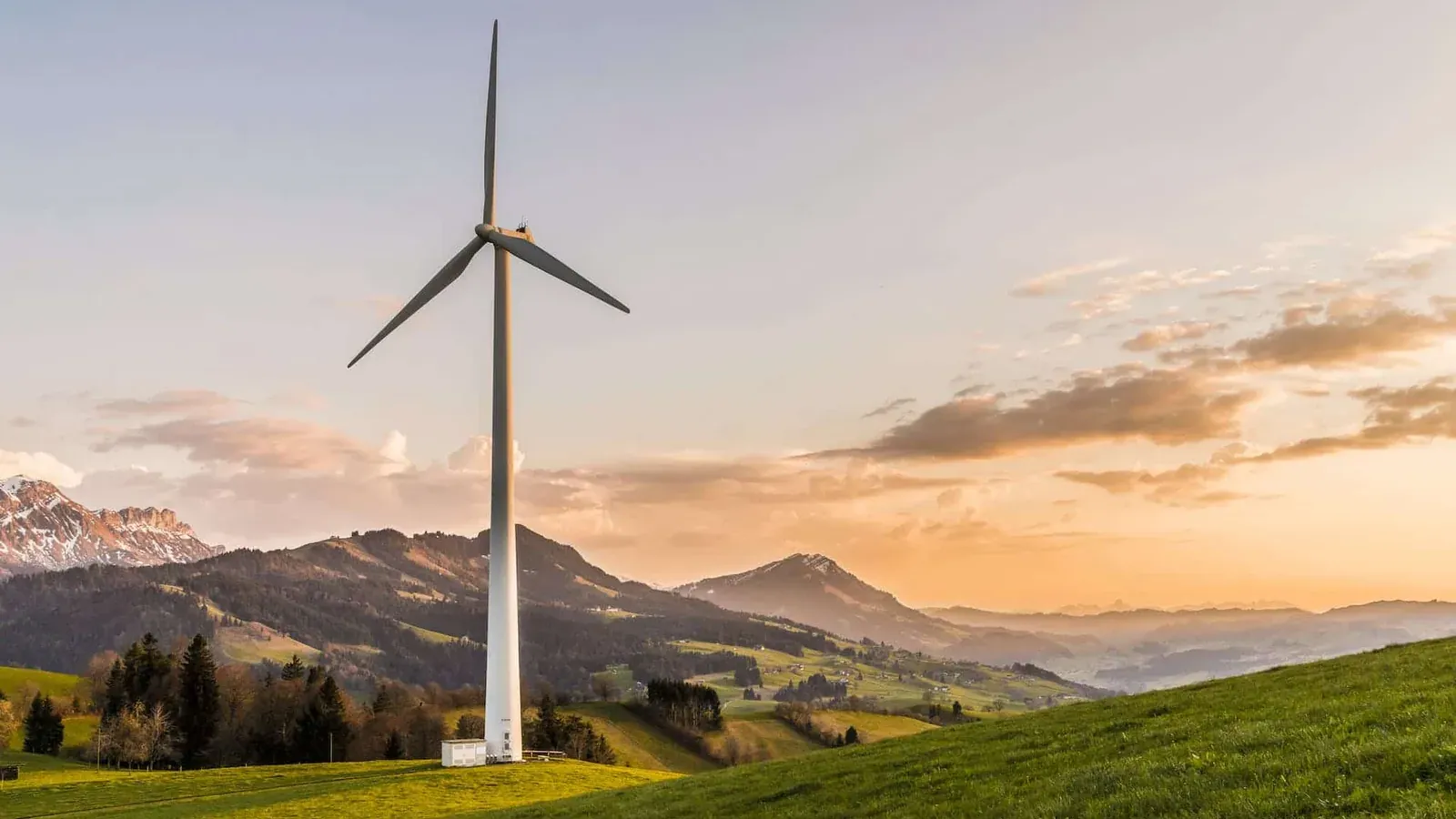
The UK energy market has shifted heavily towards renewable power.

Contents
- 1.Who are the best green energy suppliers?
- 2.What makes an energy supplier truly green?
- 3.Octopus Energy: Best for smart technology and value
- 4.Ecotricity: Best for building new renewable generation
- 5.100Green: Best for 100% green gas
- 6.Good Energy: Best for supporting independent generators
- 7.OVO Energy: Best for electric vehicle owners
- 8.How green energy costs compare
- 9.How to choose the right green supplier for your home
- 10.FAQs
Who are the best green energy suppliers?
Octopus Energy offers the best balance of green credentials and low prices for most homes, while 100Green and Ecotricity suit those willing to pay more for deep green investments and green gas.
The UK energy market has shifted heavily towards renewable power. With renewable sources providing 44% of Britain’s electricity in 2025, finding a green energy supplier is much easier than it used to be. However, not all green tariffs are the same. Some suppliers actively build wind farms and buy power directly from local generators, while others buy cheap fossil-fuel energy and simply buy certificates to label it as green.[1]
The cost of going green has also changed. You no longer have to pay a premium to power your home with renewable electricity. Many of the best green fixed tariffs cost less than the standard Ofgem price cap, which sits at £1,663 a year for a typical dual-fuel home. On top of this, new regulations are changing how suppliers can advertise their green credentials, making it harder for companies to use carbon offsetting to hide behind a green label.
In this guide, we look at the suppliers offering the most genuine green energy, how they source their electricity and gas, and how much they currently charge.
What makes an energy supplier truly green?
Before comparing suppliers, it helps to know how they back up their green claims. When you sign up for a green tariff, the electricity flowing into your home is exactly the same as your neighbour's. All power mixes together in the National Grid. A green tariff simply means your supplier promises to put enough renewable energy back into the grid to match what you take out.
How they do this is what sets the best green suppliers apart from the rest.
The REGO certificate system has faced heavy criticism. Because certificate prices crashed to roughly 77p per megawatt-hour, some suppliers buy standard wholesale power and add cheap REGOs to market their tariffs as '100% renewable'. If you want to make a real difference to the UK's green energy supply, look for suppliers that buy directly from renewable generators or build their own wind and solar farms.
Gas is another major issue. Genuine green gas (biomethane) is very expensive and hard to produce in large amounts. To get around this, many suppliers historically offered 'carbon-offset gas'. In the UK, consumer-protection and advertising rules require environmental claims to be clear and substantiated. Suppliers should not present fossil gas as green or climate neutral without a robust basis for the claim.[1]
Octopus Energy: Best for smart technology and value
Octopus Energy is the UK's largest energy supplier, with more than 8 million customers and roughly a quarter of the market. It is one of only four companies to hold a current 'Which? Eco Provider' endorsement. Octopus provides 100% zero-carbon electricity as standard across all its tariffs, backed by its own massive investments in green generation. The company operates enough zero-carbon energy to power 4 million homes and buys from hundreds of independent green producers across the country.
Octopus does not offer a green gas tariff. It used to offer a 'Supergreen' tariff that offset gas usage, but it stopped this to focus entirely on moving homes away from gas. Instead of trying to source rare biomethane or relying on offsets, Octopus focuses on electric heat pumps, solar panels, and home batteries like its own Nook Cube and Nook Colossus systems.
What sets Octopus apart is its smart time-of-use tariffs. Tariffs like Agile Octopus and Intelligent Octopus Go offer incredibly cheap electricity rates when wind generation is high and grid demand is low. For homes with electric vehicles or heat pumps, these tariffs can cut bills drastically while using the greenest power on the grid.
Octopus is also highly competitive on price. Its standard 12-month fixed tariff currently charges 24.25p per kWh for electricity and 6.56p per kWh for gas, making it one of the cheapest ways to get 100% zero-carbon electricity without paying a premium.
Ecotricity: Best for building new renewable generation
Ecotricity is one of the UK's oldest green energy suppliers, having started in 1995. It has around 200,000 customers and operates with a very clear mission: it uses customer bill money to build new wind and solar farms. It has built 24 wind parks and three sun parks across the country, providing enough power for over 60,000 homes.
The company provides 100% zero-carbon electricity, with a large chunk generated by its own sites and the rest backed by green certificates. It also holds a unique 'Vegan energy' certification from The Vegan Society, meaning no animal byproducts are used in its biomass or anaerobic digestion processes.[1][2][3][4]
For gas, Ecotricity supplies about 1% green gas from its own green gas mills, while the remaining 99% is standard natural gas. It has historically offset these emissions through carbon reduction schemes. However, with the new ECGT regulations banning 'climate neutral' claims based on offsets, Ecotricity and other suppliers are having to change how they talk about offset gas.
Because Ecotricity actively builds infrastructure, its prices are higher than average. Its Standard Variable Green Tariff currently charges 30.63p per kWh for electricity and 7.86p per kWh for gas. You pay a premium, but that money directly funds new green energy projects in the UK.
100Green: Best for 100% green gas
100Green (formerly GEUK) is a smaller supplier that stands out for one major reason: it is the only supplier in the UK to offer 100% green gas. While other companies rely on offsets or smaller biomethane proportions, 100Green matches customers’ gas use with biomethane produced through anaerobic digestion, which turns organic waste into usable gas.
The supplier does not build its own wind farms or gas mills. Instead, it works with independent generators across the UK to buy the green gas and electricity it needs. Its electricity is 100% zero-carbon and backed by REGO certificates.
Because 100Green commits to sourcing 100% biomethane, which is very expensive to produce, it is exempt from the standard Ofgem price cap. This means its variable tariffs can cost more than the market average. However, its fixed deals can still be competitive. Its Exclusive Spring 12-month fix currently charges 21.38p per kWh for electricity and 6.90p per kWh for gas, with no exit fees.
If your home relies on gas heating and you want to cut your carbon footprint without installing a heat pump, 100Green is the only supplier that can give you a fully green gas supply.
Good Energy: Best for supporting independent generators
Good Energy is another pioneer of the green energy market, starting in 1999. Like Ecotricity, it has roughly 200,000 customers and holds a 'Which? Eco Provider' endorsement. Good Energy guarantees 100% zero-carbon electricity, but rather than building its own wind farms, it focuses on buying power directly from independent UK generators.
The company has Power Purchase Agreements with over 3,000 renewable generators across the country, ranging from large solar farms to small local hydro projects. By buying power directly from them, Good Energy gives these sites the financial backing they need to keep running, making it a much deeper shade of green than suppliers who just buy cheap REGO certificates.
For gas, Good Energy supplies 10% genuine green gas (biogas), which is a much higher mix than most of the market. The remaining 90% is standard gas that it offsets through global zero-carbon projects.
Good Energy prices its tariffs competitively for a deep green supplier. Its 12-month fixed tariff currently charges 23.07p per kWh for electricity and 6.43p per kWh for gas, though it does carry a £150 exit fee per fuel if you leave the contract early.
OVO Energy: Best for electric vehicle owners
OVO Energy is one of the UK's largest suppliers, with around 5 million customers. In May 2026, E.ON announced plans to buy OVO, a move that will combine two of the biggest names in the market once the deal completes.
Unlike the other suppliers on this list, OVO does not offer 100% zero-carbon electricity as standard across all its tariffs. To get 100% renewable electricity and a gas add-on that includes 10% green gas, you have to add a 'Greener Energy' upgrade to your tariff. This upgrade ensures your electricity comes from UK renewable generators and includes a £20 annual contribution to help build new green projects. The gas side of the upgrade provides 10% green gas and 90% carbon-offset gas.
Where OVO excels is in its specialist tariffs for electric vehicle owners. Its Charge Anytime add-on allows EV drivers to charge their cars at an incredibly low rate by letting OVO smart-charge the vehicle when the grid has spare renewable power.
OVO's standard 1-year fixed tariff currently charges 26.47p per kWh for electricity and 7.44p per kWh for gas, with a £100 exit fee per fuel.
How green energy costs compare
The price of green energy has fallen significantly since the height of the energy crisis. You no longer have to assume that choosing a green supplier means paying higher bills. Many standard 100% renewable electricity tariffs are priced below the Ofgem price cap.
Government changes have also helped lower costs. From April 2026, suppliers removed ECO and Great British Insulation Scheme costs from domestic tariffs following scheme closure, while government funding covered 75% of domestic Renewables Obligation costs. On top of this, the government is cutting VAT on domestic electricity bills from 5% to 0% for an initial six months starting in October, which will lower the final cost of all the electricity rates shown below.
| Supplier | Tariff Name | Electricity Unit Rate | Gas Unit Rate | Exit Fee (per fuel) |
|---|---|---|---|---|
| 100Green | Exclusive Spring 100% Green 12M | 21.38p | 6.90p | None |
| Good Energy | 12m Fix | 23.07p | 6.43p | £150 |
| Octopus Energy | 12M Fixed v2 | 24.25p | 6.56p | £100 |
| OVO Energy | 1 Year Fixed | 26.47p | 7.44p | £100 |
| Ecotricity | Standard Variable Green | 30.63p | 7.86p | None |
As the table shows, 100Green and Good Energy currently offer very competitive fixed rates, while Octopus Energy remains consistently cheap across its fixed and flexible deals. Ecotricity is the most expensive option, but this reflects its model of using customer funds to build physical wind and solar farms.
How to choose the right green supplier for your home
Because there is no single definition of a green supplier, the right choice depends entirely on what you want to achieve and how much you are willing to spend.
If you want the absolute cheapest 100% zero-carbon electricity, Octopus Energy is the most practical choice. It offers excellent customer service, fair prices, and smart tariffs that reward you for shifting your usage away from peak times.
If you rely on a gas boiler and want to stop burning fossil fuels without installing a heat pump, 100Green is your only real option. Its 100% biomethane gas tariff is completely unique in the UK market, though it can cost more than a standard dual-fuel deal.
If your main goal is to support the construction of new renewable energy sites in the UK, Ecotricity and Good Energy are the clearest choices. They do not rely on cheap REGO certificates, ensuring that the money you pay directly funds independent green generators.
Octopus Energy is the best all-round green supplier for most households, while 100Green is the only choice for homes that want 100% green gas.
For the average home, Octopus Energy offers the most compelling package. It supplies 100% zero-carbon electricity, drives massive investment in green technology, and keeps its prices at or below the Ofgem price cap. Its smart tariffs also make it the obvious choice if you own an electric vehicle, solar panels, or a heat pump.
However, if you want to completely remove fossil gas from your home without changing your boiler, 100Green is the only supplier offering 100% genuine biomethane. If you are willing to pay a slight premium to directly fund new wind farms, Ecotricity and Good Energy remain the deepest green options on the market.
Frequently asked questions
Does a green tariff mean wind power comes straight to my house?
No. All electricity mixes together in the National Grid, so the physical electricity entering your home is exactly the same as your neighbour's. A green tariff simply means your supplier buys enough renewable electricity (or green certificates) to match the exact amount of power you use.
Is green energy always more expensive?
Not anymore. While some premium suppliers that build their own wind farms charge more, many standard 100% renewable electricity tariffs are currently priced below the standard Ofgem price cap. You can usually switch to a green electricity tariff without increasing your bills.
What is the difference between green gas and carbon-offset gas?
Green gas (biomethane) is made from organic waste and pumped directly into the grid, replacing fossil fuels. Carbon-offset gas is standard fossil-fuel natural gas, but the supplier pays for environmental projects like tree planting to balance out the emissions. Regulators are now heavily restricting the use of offsets to make 'climate neutral' claims.
What happens to my OVO Energy account when E.ON buys them?
E.ON announced its plans to buy OVO in May 2026, but large takeovers take time to complete. For now, nothing changes. Your tariff, prices, and account details will stay exactly the same until the companies officially merge and contact you with the next steps.
Related reviews and comparisons
Octopus Energy vs 100Green
Octopus Energy started in 2015 and is backed by the Octopus Group and other investors. Through its own growth and by buying other suppliers like Bulb and Shell Energy, it has grown to become the UK's largest domestic energy supplier. It runs its customer accounts on its own software system, Kraken,
Read comparison→Octopus Energy vs Ecotricity
Octopus Energy is currently the UK's largest energy supplier. It offers the lowest-priced overall deal in this comparison with its Octopus 12M Fixed July 2026 v2 tariff, costing £1,697 a year. This is a 12-month fixed contract with a £100 total exit fee. By contrast, Ecotricity’s lowest-priced optio
Read comparison→Octopus Energy vs Outfox Energy
Founded in 2015 and backed by the Octopus Group, Octopus Energy is the UK's largest domestic energy supplier. It has grown through its own growth and by taking on customers from other suppliers such as Bulb and Shell Energy. A key difference is its in-house technology platform, Kraken, which runs it
Read comparison→
100Green Review
100Green, formerly known as Green Energy UK, is an independent energy supplier based in Hertfordshire. Set up in 2001, it is one of the UK's oldest independent energy suppliers outside the traditional big firms. Today, it operates as one of the UK's smaller domestic energy suppliers, focusing entire
Read review→
Outfox Energy Review
Outfox Energy, previously known as Outfox the Market, is an independent British energy supplier based in Leicester. Set up in 2017 by Keith and Maria Bastian, it runs as a family-owned business under the parent company Foxglove Energy Supply Limited. It is one of the UK's domestic energy suppliers,
Read review→Related guides

Which energy suppliers are going bust?
The UK energy market has seen massive upheaval over the past few years. During the peak of the energy crisis in 2021 and 2022, wholesale costs soared and caused dozens of suppliers to collapse. By July 2026, the market has largely stabilised. However, smaller companies still occasionally fail, and t
Read guide→
Who are the ‘Big Six’ energy suppliers?
For years, the term 'Big Six' was used to describe a specific group of energy companies that dominated the UK market. These companies emerged after the energy sector was privatised in the 1990s. Today, the phrase is mostly an outdated industry label. The original line-up no longer exists, as several
Read guide→
Who is cheaper than British Gas? (2026)
British Gas is one of the UK's largest energy suppliers, but staying on its default standard variable tariff is currently one of the most expensive ways to pay for your gas and electricity. Following a 13% rise in the Ofgem price cap on 1 July 2026, household energy bills have jumped again, driven b
Read guide→
Written by
Rob Gibbs
Hi, I'm Rob, and I run Energy-Review.co.uk. I initially started this project in 2018 when I was looking to switch energy suppliers and found there wasn't a website that provided simple, data-backed reviews on all the suppliers available. Since then, I have spent a lot of time (too much, some may say!) looking at all publicly available data about each supplier and writing reviews using this information. These reviews are updated as regularly as possible, and any data is backed up by a source where necessary. I have also started writing guides on various energy-related topics, which hopefully you will find useful. If you find any issues, please use our contact form to let us know.