
Economy 7 Tariffs: How They Work and When They Save Money
Check whether Economy 7 could save you money using your own day, night and flat rates, meter times and annual electricity use.
Economy 7 break-even calculator
Copy the day, night and comparable single-rate prices from a current quote. The result is the share of your annual electricity that must fall on the night register, not the share of hours in the day.
Include different standing charges
Fill in all three fields below or leave all three blank. Annual use is needed to turn the daily charge difference into an equivalent unit rate.
Enter the three unit rates to see the break-even share.
This is arithmetic on the rates you enter, not a tariff quote. Your meter’s switching times decide which use reaches the night register.
Understanding Economy 7 tariffs
Economy 7 can suit a home with substantial, safely scheduled off-peak use, but the answer comes from your rates and meter readings rather than a national rule of thumb.
An Economy 7 tariff charges one price during seven off-peak hours and another, normally higher, price at other times. Ofgem says the off-peak period is often overnight, but its timing can vary by location and supplier.
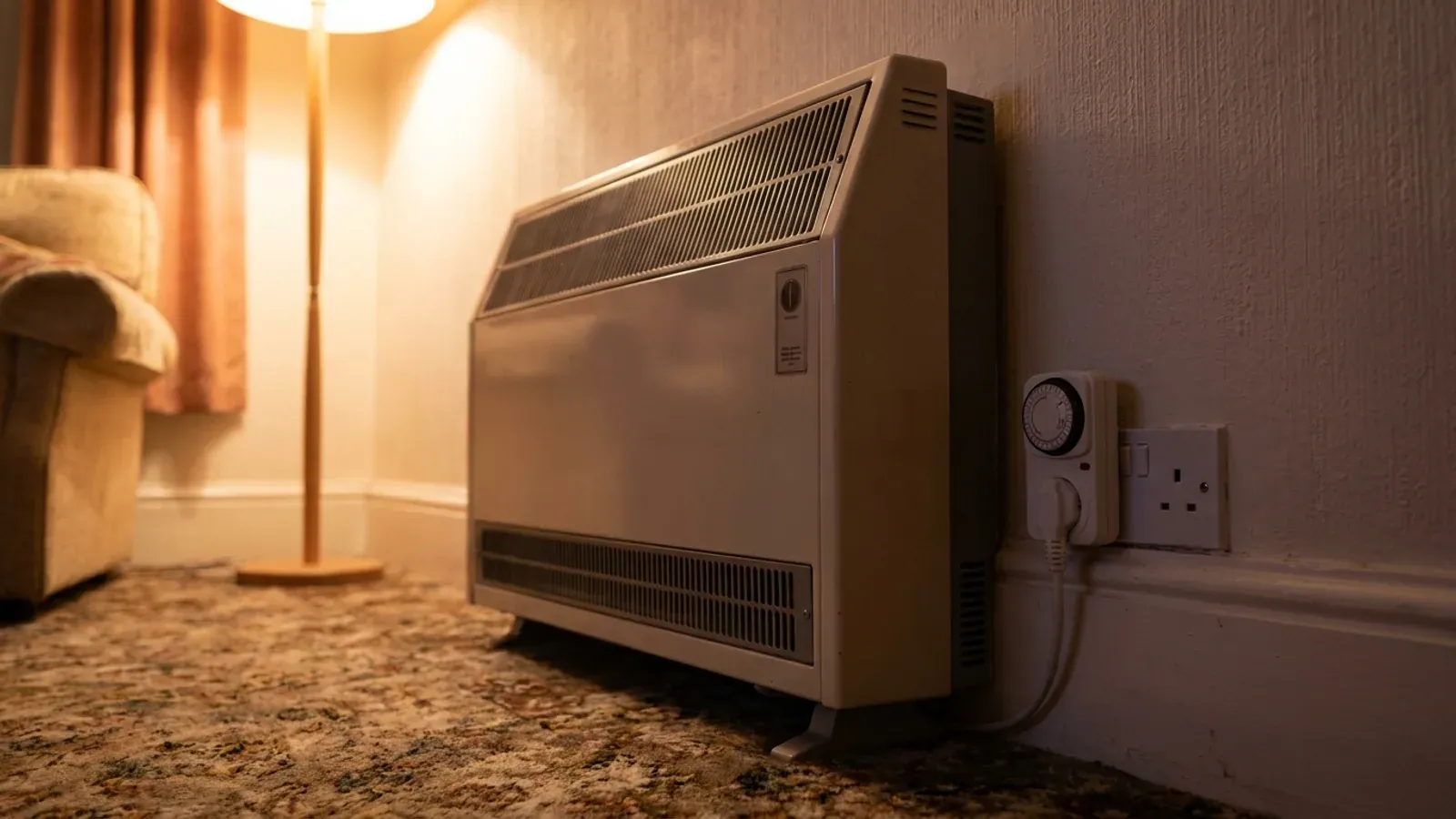
The arrangement is most useful when a large part of the home’s electricity can be used or stored safely during the cheaper period. Storage heaters, a hot-water cylinder and scheduled EV charging can all change the calculation. Ordinary daytime use still lands on the peak rate.
The decision is therefore personal: compare a current Economy 7 quote with a current single-rate quote, use a full year of day and night readings where possible, and include both standing charges. The calculator on this page does that arithmetic without assuming a tariff or a switching time.[1]
Use our referral link, and we'll both get £50 credit once your switch is complete.
Existing customer? Find out how you can benefit too. T&Cs apply (only one switching offer per household)
How dual-register meters and billing work
Economy 7 needs a meter that records peak and off-peak consumption separately. This may be a traditional two-rate meter or a smart meter configured for more than one rate. Displays vary by model, so labels such as Rate 1 and Rate 2 do not by themselves tell you which register is day or night. Check the bill or ask the supplier if you are unsure.
A bill on Economy 7 should show two electricity unit rates and the consumption charged at each, plus a daily standing charge. Ofgem states that the peak and off-peak rates on a multi-rate tariff together cannot exceed the applicable price cap. The actual pair still varies by region, supplier, meter and payment method.
A home can retain two registers while being billed at one rate. In that case the supplier may total the readings for billing, depending on its systems and the meter. Confirm the account tariff rather than inferring it from the meter hardware.
The distinction also matters in local energy-use data: published multi-register meter counts describe a physical meter arrangement, not the number of households currently paying Economy 7 prices.
When are the seven cheaper hours?
Midnight to 7am is a common description, but it is not a promise for every Economy 7 meter. Ofgem says the period may vary by location and supplier. Ask for the exact times that apply to the meter before setting heating, hot water or charging schedules.
Clock changes need a separate check. Some arrangements remain on Greenwich Mean Time while others adjust to British Summer Time. Do not shift a timer by an hour because a generic guide says to; confirm how the meter behaves with the supplier and check which register advances during the expected window.
Calculating your break-even point
Savings occur only when the discount on off-peak electricity outweighs the premium on peak electricity and any standing-charge difference. A percentage copied from another Economy 7 tariff cannot answer that question because all four prices can vary.
The unit-rate calculation
- Call the Economy 7 day rate D, the night rate N and the comparable flat rate F.
- Where D is higher than F and F is higher than N, the unit-rate break-even share is (D - F) / (D - N).
- Multiply that result by 100 to express the required off-peak share as a percentage.
- If the standing charges differ, include annual electricity use as the calculator does rather than comparing unit rates alone.
Use annual meter readings if you have them. The relevant share is the electricity recorded on the night register divided by the total across both registers. It is not seven hours divided by twenty-four, because consumption is not spread evenly through the day.
Heating, appliances, and safety risks
Storage heaters and hot-water cylinders are natural Economy 7 loads because they store heat produced during the off-peak period. EV charging can also be scheduled while the car is parked. Check that controls follow the meter’s real switching times rather than a generic overnight window.
A gas-heated home with no car, battery or other substantial overnight load may have little electricity it can sensibly move. That does not make Economy 7 automatically unsuitable, but it raises the off-peak share the household must create from smaller loads.
Do not use delay timers to run a washing machine, tumble dryer or dishwasher overnight and unattended. London Fire Brigade’s bedtime guidance says these appliances should not be left on in that situation. Follow the appliance manufacturer’s safety instructions as well.[1]
Economy 7 versus modern smart tariffs
As one form of time-of-use pricing, Economy 7 now sits beside smart tariffs that can use fixed daily bands, a price set for each day or half-hourly prices. Those structures answer different household needs and should not be treated as one category with one winner.
Its predictable seven-hour schedule can work with storage heating and simple timers. The unit rates themselves can still change when the tariff terms allow, including when a capped variable tariff is updated.
A smart tariff may reward more flexible scheduling, but it may also require half-hourly readings, compatible equipment or attention to changing prices. If you can download your half-hourly data, the smart-meter tariff replay compares the measured pattern in your browser instead of assuming when you use electricity.
Some older multi-rate arrangements use the Radio Teleswitch Service. Ofgem says its signal is being switched off in phases and an affected meter may no longer switch heating, hot water or rates correctly. Contact the supplier if the meter may use RTS; it must arrange a suitable replacement without disrupting the service.[1]
Switching tariffs and comparing live rates
If Economy 7 no longer fits, ask the current or prospective supplier whether it can bill the existing meter on a standard single-rate tariff. Citizens Advice recommends checking that the new tariff will work with the meter before switching. A meter exchange or smart-meter configuration change may be needed in some cases.
When a supplier supports single-rate billing on a two-register meter, it can use both readings to calculate total consumption. Confirm how readings should be submitted and keep a record of both at the changeover.
The bill benchmark calculator keeps single-rate and multi-register consumption assumptions separate, which helps when you are sense-checking annual use before comparing quotes.
A quoted day and night rate does not establish the switching schedule. Confirm the seven off-peak hours separately, especially after a meter replacement or smart-meter reconfiguration.
For Octopus, the Flexible Octopus review shows the currently available regional day and night rates when the supplier feed provides them. Use your postcode or electricity region and still confirm the actual switching times for your meter.
Final verdict
Choose Economy 7 from your measured off-peak share, not from a generic percentage.
Economy 7 can work well when storage heating, hot water, EV charging or another substantial load safely uses the meter’s actual off-peak period.
Compare current day, night, flat and standing-charge rates with a full year of readings. If the measured off-peak share does not clear the calculator’s threshold, ask whether the meter can be billed on a suitable single-rate tariff.
Frequently asked questions
Is electricity always cheaper at night?
No. A single-rate tariff charges the same unit rate throughout the day. Night electricity is cheaper only when the tariff has a separate off-peak rate or another time-based price.
Do Economy 7 times change when the clocks go forward?
It depends on the meter and tariff arrangement. Some remain on Greenwich Mean Time while others adjust. Check the switching times with the supplier rather than assuming the window moves.
Can I use a single-rate tariff with a two-register meter?
Some suppliers can total both registers or reconfigure a smart meter, while other arrangements may need a meter change. Ask the supplier to confirm that its single-rate tariff works with the installed meter before switching.
What should I do if I have an RTS meter?
Contact the electricity supplier. Ofgem says the RTS signal is being switched off in phases and affected meters may stop switching rates, heating or hot water correctly. The supplier must arrange a suitable replacement and avoid disrupting the service.
Should I run a washing machine overnight for Economy 7?
Not while you are asleep and the appliance is unattended. Fire-service bedtime guidance says washing machines, tumble dryers and dishwashers should not be left running overnight. Follow the manufacturer’s safety instructions.
Related reviews and comparisons
Octopus Go prices
A cheap overnight electricity rate for a fixed window, with a higher day rate.
Read more →EDF Pod Point Plug & Power prices
A two-year fixed EV tariff combined with a Pod Point Solo 3S home-charger purchase, with seven overnight off-peak hours.
Read more →EDF Pod Power prices
A twelve-month fixed EV tariff with a seven-hour overnight rate, available to households with a Pod Point Solo 3S home charger.
Read more →Standing Charge Calculator
Standing Charge Calculator. Calculate how much your gas and electricity standing charges cost per day, week, month and year. A simple standing charge calculator so you can work out how much your standing charge is costing you per day, week, month and year for both gas and electricity. To use it, all
Try calculator →UK Public EV Charging Data
Public charging devices and rapid-charger availability by region, local authority and constituency
Read more →Related guides

Smart meter FAQs
Smart meters are the current standard for measuring household energy use in Great Britain. Unlike older traditional meters with spinning dials or digital displays that you have to read yourself, smart meters automatically send your gas and electricity readings straight to your supplier. This puts an
Read guide →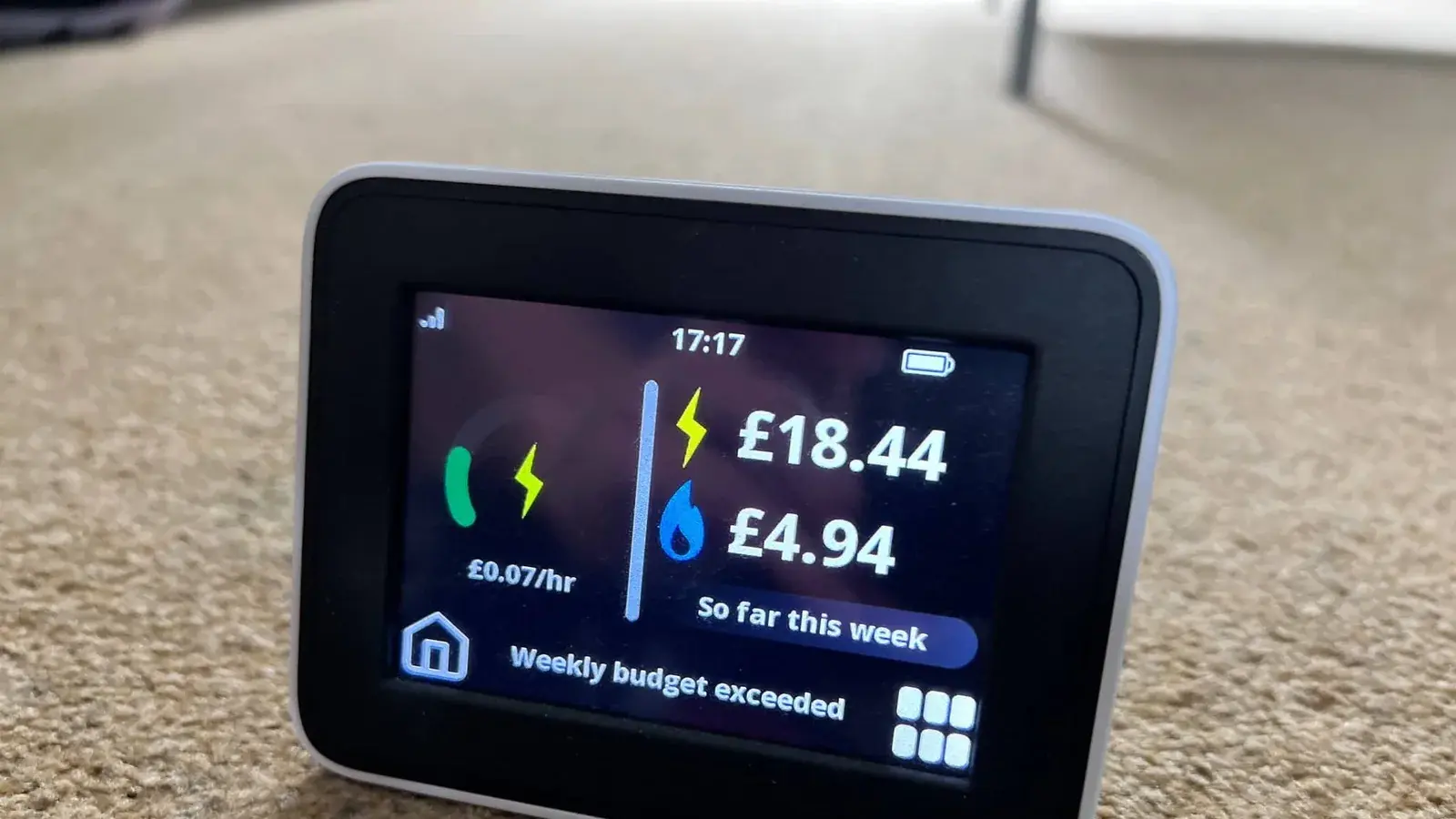
Pros and cons of smart meters
A smart meter replaces your traditional gas or electricity meter. Instead of waiting for you to read the numbers on the dial and send them in, a smart meter automatically sends your exact energy usage directly to your supplier. This fundamental change means you only pay for the energy you actually u
Read guide →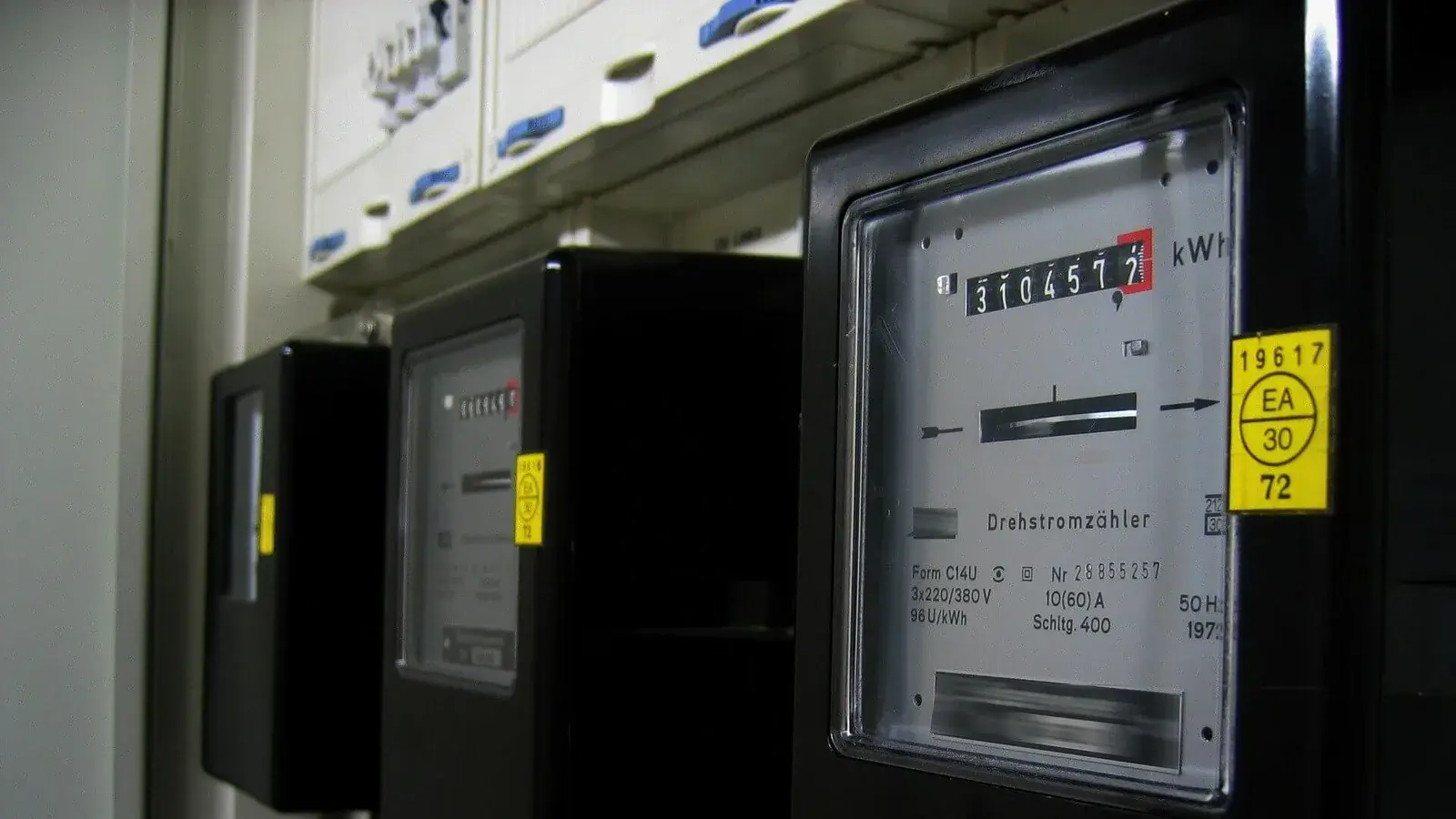
Gas and Electricity meters: Ultimate Guide
Energy meters measure exactly how much gas and electricity your household uses. Your energy supplier uses this data to calculate your bills and monitor your usage. Without an accurate meter reading, your supplier has to guess how much energy you have used, which often leads to estimated bills that a
Read guide →
Written by
Rob Gibbs
Hi, I'm Rob, and I run Energy-Review.co.uk. I initially started this project in 2018 when I was looking to switch energy suppliers and found there wasn't a website that provided simple, data-backed reviews on all the suppliers available. Since then, I have spent a lot of time (too much, some may say!) looking at all publicly available data about each supplier and writing reviews using this information. These reviews are updated as regularly as possible, and any data is backed up by a source where necessary. I have also started writing guides on various energy-related topics, which hopefully you will find useful. If you find any issues, please use our contact form to let us know.